
Title: Clinical depression - major, post-partum, atypical, melancholic, persistent
Channel: Osmosis from Elsevier
Clinical depression - major, post-partum, atypical, melancholic, persistent by Osmosis from Elsevier
Depression: The SHOCKING Link to Joint Pain You NEED to Know
The Unseen Connection: Depression and Its Surprising Impact on Your Joints
It's easy to think of depression as purely a mental health concern. However, the reality extends far beyond the realm of the mind. In fact, the impact of depression can manifest in unexpected ways. Consequently, one of the most surprising connections involves your physical well-being, specifically, your joints.
Unveiling the Hidden Link: Depression's Influence on Physical Pain
Many individuals struggling with depression experience physical symptoms. Moreover, these can range from fatigue and headaches to digestive issues. Interestingly, joint pain is a common complaint that often gets overlooked. The connection between depression and joint pain isn't always straightforward. The reasons are complex, but they are worth exploring. It is important to understand these underlying mechanisms.
The Body-Mind Connection: How Depression Fuels Joint Discomfort
So, how does depression affect your joints? The answer lies in the intricate body-mind connection. First, depression often triggers chronic inflammation throughout the body. Secondly, this inflammation can directly impact the joints, causing pain, stiffness, and swelling. Furthermore, consider the role of stress hormones. Depressive episodes elevate levels of cortisol, the primary stress hormone. Therefore, chronic elevation of cortisol also contributes to inflammation and pain.
Besides the biological factors, there are behavioral links. Depression can lead to decreased physical activity. As a result, lack of exercise can weaken the muscles supporting the joints. What's more, this can exacerbate existing joint problems. In addition to this, individuals with depression may also experience poor sleep habits. Consequently, sleep deprivation raises inflammatory markers and increases pain sensitivity. Clearly, this further compounds the problem.
Common Joint Pain Symptoms Associated with Depression
If you are experiencing depression, you might notice a variety of joint-related symptoms. Therefore, it's essential to recognize these signs. Typically, these include:
- Achy Joints: A general, persistent feeling of discomfort.
- Stiffness: Especially in the morning or after periods of inactivity.
- Swelling: Noticeable puffiness around the joints.
- Tenderness: Sensitivity to touch or pressure.
- Limited Range of Motion: Difficulty moving the joint through its full arc.
It's crucial to remember that these symptoms can also be indicative of other medical conditions. Thus, never self-diagnose. Always consult with a healthcare professional for a proper diagnosis and treatment plan.
Seeking Relief: Strategies for Managing Depression and Joint Pain
Fortunately, several strategies can help manage both depression and the associated joint pain. With the right approach, significant improvements are possible.
Therapy and Counseling: Talk therapy, such as cognitive-behavioral therapy (CBT), can address the underlying causes of depression. As a result, this can lead to a decrease in physical pain symptoms.
Medication: Antidepressants can help regulate mood and alleviate symptoms. However, consult a doctor about the best medication.
Exercise and Physical Activity: Regular exercise, especially low-impact activities like swimming or walking, can reduce inflammation. Consequently, this strengthens muscles, and improves overall joint health.
Healthy Diet: A balanced diet, rich in anti-inflammatory foods, is essential. Besides, consider adding foods like fruits, vegetables, and omega-3 fatty acids.
Stress Management Techniques: Practices like meditation, yoga, and deep breathing can reduce stress. Moreover, it can also lower cortisol levels, which can help alleviate pain.
Prioritize Sleep: Aim for 7-9 hours of quality sleep each night. Furthermore, maintaining a consistent sleep schedule supports both mental and physical well-being.
The Path to Healing: A Holistic Approach
Ultimately, addressing the link between depression and joint pain demands a holistic approach. In fact, this means treating the whole person. Furthermore, combine therapeutic interventions, lifestyle adjustments, and medical support. Consequently, you can experience meaningful relief from both the mental and physical symptoms.
Furthermore, if you are experiencing joint pain and suspect depression, seek help. Your doctor can assess your symptoms. They can then recommend the appropriate course of treatment. Besides, remember you are not alone. Many people experience this connection. With the correct support, you can find relief and reclaim your quality of life.
Is Depression a Disability? Shocking Truth Revealed!Depression: The SHOCKING Link to Joint Pain You NEED to Know
Hey there, fellow humans! Let's be honest – life throws curveballs. Sometimes, those curveballs leave us feeling physically and emotionally bruised. Today, we're diving deep into a topic that's super relevant, yet often overlooked: the surprising and often shocking connection between depression and joint pain. We’re talking about a link that's way more than just a coincidence. It's a two-way street, a dance between your mind and your body, where each partner influences the other. And trust me, understanding this link can be a game-changer for your well-being.
1. The Unseen Enemy: Unpacking the Basics of Depression
Alright, let's start with the basics. Depression isn't just feeling "sad" for a day or two. It's a serious mood disorder that can impact everything: your sleep, your appetite, your energy levels, and, yes, even your physical health. Imagine it as a persistent gray cloud hanging over your head, dimming the colors of your world. It's a heavy burden, and one many of us carry without even realizing it. We often think of depression as a purely psychological ailment, a problem “in our heads.” Don't get me wrong, that's a huge part of it. But what if there was more to the story? What if it was manifesting physically too?
2. Joint Pain's Silent Symphony: Understanding the Discomfort
Now, let's talk about joint pain. We've all experienced it, haven't we? That ache in your knees after a long walk, the stiffness in your fingers in the morning. But when it becomes chronic, persistent, and seemingly without a clear physical cause, it starts to tell a different story. Joint pain, especially the kind that lingers and resists simple solutions, can be like a silent symphony of discomfort playing within your body. It’s a nagging feeling, a constant reminder that something isn't quite right. You might rub your shoulders, wince when you stand, or simply feel a general sense of weariness.
3. The Unexpected Connection: How Depression Plays a Role in Joint Pain
Here's where the plot thickens. The connection between depression and joint pain is far more intricate than you might think. Think of your body like a complex machine. When one part isn't working properly, it can throw off the whole system. Depression, with its impact on the nervous system and inflammatory markers, can very literally cause joint pain. It does this through several mechanisms:
- Inflammation's Fuel: Depression can increase inflammation throughout the body. This inflammation isn't just a localized reaction to injury; it’s a systemic fire that can target your joints.
- The Stress Hormone Highway: Chronic stress, often a companion of depression, cranks up the production of cortisol, the stress hormone. While cortisol is meant to be a short-term helper, prolonged exposure can wreak havoc on your body, including your joints.
- Neurochemical Turmoil: Neurotransmitters like serotonin and norepinephrine, which regulate mood, also play a role in pain perception. When these chemicals are out of balance, your pain threshold can plummet, making even minor discomfort feel amplified.
- The Vicious Cycle Effect: Depression can make you less likely to exercise, leading to weaker muscles. Those weaker muscles can put added strain on your joints, contributing to pain.
4. Beyond the Symptoms: Delving Deeper into the Science
Let's get a bit geeky for a second. Research has shown that people with depression often have higher levels of inflammatory markers, like C-reactive protein (CRP), in their blood. CRP is a good measure of inflammation, and when its levels are high, you can be sure that your body is under some sort of attack—and joint pain can follow.
5. The Physical Toll: Other Symptoms That Might Come With It
It’s not just joint pain, you see. Depression's physical manifestations can be vast. The physical symptoms of depression are vast and varied, creating a domino effect on overall health. We're talking about:
- Chronic Fatigue: Feeling perpetually exhausted, even after a full night's sleep. It's like trying to run a marathon with a dead battery.
- Digestive Issues: Stomach aches, bloating, and changes in bowel habits become commonplace.
- Headaches: Migraines and tension headaches can become more frequent or intense.
- Sleep Disturbances: Insomnia or excessive sleepiness, disrupting your body's natural rhythm.
6. The Overlooked Clues: Recognizing the Signs and Symptoms
The key? Recognizing these early. We need to be aware of our bodies and minds. Recognizing the signs and symptoms can be like detective work. Are you constantly tired and sore? Do you feel defeated, maybe even hopeless? This is why you need to be tuned in to even seemingly minor changes in your physical state.
7. Self-Assessment: Could You Be Experiencing This Link?
Take a moment. Honestly, how are you feeling? The best way to know is to ask yourself some questions:
- Do you notice persistent joint pain, even without an obvious injury?
- Are you experiencing persistent low mood, feelings of sadness, or hopelessness?
- Do you find yourself withdrawing from social activities or things you used to enjoy?
- Are you struggling with sleep, appetite, or energy levels?
If you answered "yes" to several of these questions, it might be time to seek help.
8. Reaching Out: The Importance of Seeking Professional Help
Please, I can't stress this enough: don't suffer in silence. Reaching out to a healthcare professional is the single most important action you can take. Talk to your doctor. Explain what you're experiencing, both physically and emotionally. They can help you determine if your joint pain may be linked to depression and, if so, guide you through the next steps.
9. The Power of Support: Finding the Right Professionals and Groups
Don't be afraid to seek help. This could include:
- Therapists and Counselors: These professionals can provide talk therapy. Cognitive Behavioral Therapy (CBT) has shown great success in managing both depression and chronic pain.
- Psychiatrists: If medication is needed, a psychiatrist can help. They’re experts in diagnosing and managing mental health conditions.
- Support Groups: Sharing your experiences with others who understand can be incredibly validating and helpful.
10. Treatment Options: Strategies for Managing Both Depression and Joint Pain
There's no magic bullet, but there are effective treatments. Understanding the treatment options is key.
- Medication: Antidepressants can help regulate your brain chemistry and ease your mood.
- Therapy: Cognitive Behavioral Therapy (CBT) and other forms of therapy can help you understand and manage your thoughts, feelings, and behaviors.
- Lifestyle Changes: Simple things like exercise can make a big difference. Regular exercise promotes muscle strength and improved mood.
11. The Active Approach: Practical Lifestyle Adjustments
You can greatly improve your health with some simple changes to your daily life.
- Exercise and Movement: Regular physical activity, even a gentle walk, can boost mood, reduce inflammation, and improve joint function.
- Diet and Nutrition: Focus on anti-inflammatory foods like fruits, vegetables, and omega-3 fatty acids and avoid processed foods and sugars.
- Sleep Hygiene: Create a relaxing bedtime routine and ensure you're getting enough sleep.
12. The Mind-Body Connection: Techniques Like Mindfulness and Meditation
Here’s where the mind-body connection truly shines. Mind-body techniques have become important for better health outcomes.
- Mindfulness Meditation: Practice daily mindfulness, focusing on the present moment.
- Yoga and Tai Chi: These practices combine movement, breathwork, and meditation, perfect for reducing stress and boosting both mental and physical well-being.
13. The Road to Relief: Setting Realistic Expectations and Celebrating Small Wins
Recovery from both depression and joint pain is rarely a straight line. There will be ups and downs. Be kind to yourself and acknowledge your achievements, no matter how small. Celebrate your wins.
14. Breaking the Stigma: Fighting the Misconceptions and Shame Surrounding Mental Health
Let's get real here. The stigma around mental health is a huge obstacle. It can prevent people from seeking help and healing. Educate yourself and others.
15. The Path Forward: Maintaining Long-Term Well-being and Prevention
This journey is not a race, it's a marathon. Make sure you:
- Stay Committed to Treatment: Keep up with therapy and medication if prescribed.
- Prioritize Self-Care: Make time for activities that bring you joy and relaxation.
- Build a Supportive Network: Surround yourself with people who care about you.
Concluding Thoughts
So, there you have it. The often shocking, but absolutely crucial, link between depression and joint pain. Remember, you are not alone. This is a problem faced by many people. By understanding this connection, seeking help when needed, and taking proactive steps toward healing, you can reclaim your well-being and live a life filled with more comfort and joy. The mind and body are connected, so let’s treat them as one.
Feel free to let me know what you think in the comments section below!
Ireland Depression Diagnosis: Find Help Now - Expert GuideDepression Explained Major Depressive Disorder
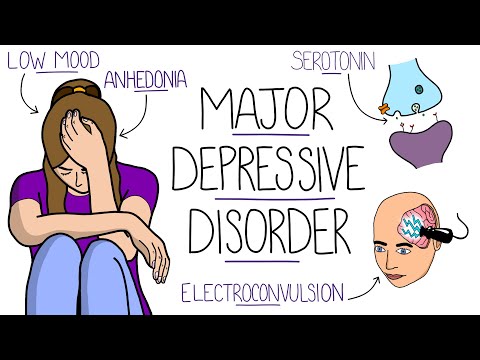
By Rhesus Medicine Depression Explained Major Depressive Disorder by Rhesus Medicine
Mandible Depression Elevation

By BlueLink Anatomy Mandible Depression Elevation by BlueLink Anatomy
What is depression - Helen M. Farrell
By TED-Ed What is depression - Helen M. Farrell by TED-Ed
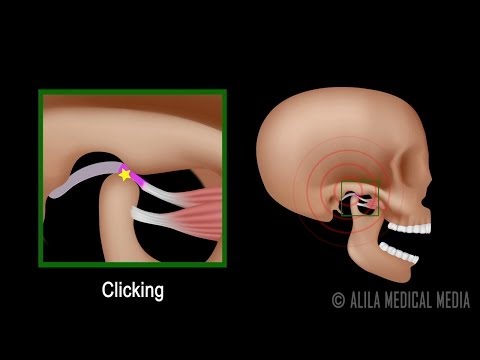
Title: Temporomandibular Joint TMJ Anatomy and Disc Displacement Animation
Channel: Alila Medical Media
Temporomandibular Joint TMJ Anatomy and Disc Displacement Animation by Alila Medical Media
Is THIS the Saddest Creature on Earth? You WON'T Believe It!
Depression: The SHOCKING Link to Joint Pain You NEED to Know
The Unseen Connection: Unraveling the Intertwined Worlds of Depression and Joint Pain
We frequently address the symptoms of our physical and mental health as separate entities. However, a complex, fascinating interaction exists between the psyche and the somatic experience. Within this intricate web, depression and joint pain are often deeply interwoven, with the presence of one frequently exacerbating the other. By understanding the profound link between these conditions, we can begin to unlock more effective strategies for holistic healing and provide far better support to those who suffer.
Unmasking the Silent Suffering: The Prevalence of Overlapping Symptoms
The co-occurrence of depression and joint pain is far more common than many realize. Consider the individual battling persistent joint pain. The constant ache, the limited mobility, and the disruption of daily activities can, understandably, contribute to feelings of isolation, helplessness, and a profound sense of loss of control. This, in turn, can cultivate the perfect environment for the onset or worsening of depressive symptoms.
Conversely, a person dealing with depression may experience an increase in physical symptoms, including joint pain. The biological mechanisms at play are many and multifaceted.
The Biological Bridge: Unpacking the Physiological Mechanisms at Play
The confluence of depression and joint pain is often explained by shared biological pathways. A fundamental understanding of these mechanisms is vital:
Inflammation: The Hidden Culprit: Chronic inflammation is now recognized as a key player in both depression and joint pain. Elevated levels of inflammatory cytokines, such as interleukin-6 (IL-6) and tumor necrosis factor-alpha (TNF-α), have been linked to both conditions. These substances can affect the brain and cause joint deterioration. They can cross the blood-brain barrier, affect neurotransmitter systems, and disrupt mood and cognition.
Neurotransmitter Dysregulation: Serotonin, norepinephrine, and dopamine are crucial neurotransmitters implicated in both pain perception and mood regulation. Imbalances in these neurotransmitters, often present in depression, can influence pain sensitivity. A decrease in serotonin, a well-known mood regulator, can amplify pain signals, making joint pain feel even more intense.
The Hypothalamic-Pituitary-Adrenal (HPA) Axis: A Shared Stress Response: The HPA axis, the body's primary stress response system, plays a central role in both depression and the experience of pain. Chronic stress, a hallmark of depression, activates the HPA axis, leading to the release of cortisol. Consistently high cortisol levels can contribute to inflammation and exacerbate pain.
Sleep Disturbances: A Vicious Cycle: Sleep problems are very common in both depression and joint pain. Insomnia, poor sleep quality, and disrupted sleep cycles worsen pain perception and exacerbate depressive symptoms. This creates a vicious cycle.
The Impact on Daily Life: Navigating the Challenges
The combined impact of depression and joint pain can be far-reaching, affecting nearly every aspect of an individual's life.
Reduced Mobility and Activity Levels: Joint pain can restrict movement, making it difficult to engage in physical activities. This lack of physical activity can worsen depressive symptoms, lead to further physical decline, and contribute to social isolation.
Impaired Social Functioning: Chronic pain and depression can both lead to withdrawal from social activities, negatively affecting relationships and reducing the support network. Individuals may isolate themselves, fearing judgment or the inability to participate fully.
Difficulties with Work or Education: Joint pain and depression can impede concentration, reduce productivity, and make it challenging to maintain employment or pursue educational goals. The resulting financial strain and feelings of inadequacy can feed into a downward spiral.
Increased Risk of Suicidal Thoughts: The combination of chronic pain and depression significantly increases the risk of suicidal ideation and suicide attempts. It is crucial to recognize this risk and seek professional help.
Identifying the Signs: Recognizing the Symptoms
It's essential to recognize the signs that may indicate the co-occurrence of depression and joint pain. Be mindful of the following:
Persistent Sadness or Low Mood: Experiencing a pervasive sense of sadness, hopelessness, or a general lack of interest in activities once enjoyed.
Changes in Appetite or Weight: Significant fluctuations in appetite, leading to either weight loss or weight gain.
Sleep Disturbances: Difficulties falling asleep, staying asleep, or experiencing excessive sleepiness.
Fatigue or Loss of Energy: Feeling persistently tired, lacking energy, and experiencing a general sense of sluggishness.
Difficulty Concentrating or Making Decisions: Trouble focusing, remembering things, or making even simple decisions.
Feelings of Worthlessness or Guilt: Experiencing negative self-perceptions, feeling inadequate, or harboring excessive guilt.
Physical Pain that Doesn't Respond to Traditional Treatment: Joint pain that persists despite conventional treatments, possibly accompanied by other unexplained physical symptoms.
Appetite Changes, Sleep Problems, and Fatigue: These symptoms often coincide with both depression and joint pain.
Seeking Help: Navigating the Path to Recovery
If you suspect that you or a loved one is struggling with both depression and joint pain, seeking professional help is essential. Here are the steps to take:
Consult a Healthcare Provider: Speak with your doctor or a mental health professional to discuss your symptoms. Share your medical history and any treatments you've already tried.
Comprehensive Assessment: A qualified healthcare provider will perform a thorough physical and psychological assessment. This may involve a physical examination, blood tests, and mental health questionnaires.
Treatment Options: The treatment approach for co-occurring depression and joint pain is usually multifaceted. It typically includes:
- Medication: Antidepressants can help alleviate depressive symptoms and, in some instances, may also help manage pain. Pain relievers or anti-inflammatory medications may be prescribed to manage joint pain.
- Psychotherapy: Cognitive-behavioral therapy (CBT) and other forms of psychotherapy can teach you coping strategies and help you address underlying emotional issues.
- Physical Therapy: Physical therapy will improve mobility, reduce pain, and strengthen muscles.
- Lifestyle Modifications: Regular exercise, a healthy diet, and adequate sleep play a vital role in managing both conditions.
- Support Groups: Connecting with others who are experiencing similar challenges can provide valuable emotional support and help you feel less alone.
Embracing a Holistic Approach: Strategies for Managing Symptoms
Here are some practices you can incorporate into your daily life to help manage the symptoms of depression and joint pain:
Regular Exercise: Engage in moderate-intensity exercises, such as walking, swimming, or cycling, as tolerated. Exercise can help improve mood, reduce pain, and increase overall well-being.
Healthy Diet: Adopt an anti-inflammatory diet rich in fruits, vegetables, and omega-3 fatty acids. Limit processed foods, added sugars, and saturated fats.
Prioritize Sleep: Establish a regular sleep schedule and create a relaxing bedtime routine. If you're struggling with sleep, consult your doctor for guidance.
Stress Management Techniques: Practice relaxation techniques, such as deep breathing exercises, meditation, or yoga.
Mindfulness: Engage in mindfulness exercises to better cope with pain.
Pace Yourself: Learn to recognize your physical and emotional limits and pace your activities accordingly.
Build a Strong Support System: Connect with supportive friends, family members, or a support group.
The Path Forward: Hope and Healing
Living with both depression and joint pain can be challenging, but it is not a life sentence. By understanding the complex relationship between these conditions, seeking professional help, and embracing a holistic approach to care, individuals can find relief, restore function, and regain a sense of control over their lives. Remember, the journey toward healing may take time and effort, but hope and recovery are possible.
