
Title: OCD, anxiety, substance abuse How art can heal mental illness Freethink
Channel: Freethink
OCD, anxiety, substance abuse How art can heal mental illness Freethink by Freethink
depression mental health art, depression mental health articles, depression mental illness art, mental health depression dark scribble art, depression mental health tattoo ideas, depression mental health symbol, depression and mental health issues
Escape the Darkness: Stunning Art That Heals Depression
Unveiling Hope: How Art Illuminates the Shadows of Depression
Depression. The word itself can feel heavy, a cloak of dread woven from unseen threads. It's a thief, stealing joy and dimming the vibrant colors of life. However, even in the deepest shadows, a flicker of light persists. That light? Art. Art's power to heal depression is profound, yet often underestimated. It's a silent language that speaks directly to the soul.
The Secret Language of the Soul: Art's Therapeutic Embrace
Art transcends words. It bypasses the logical mind. Instead, it reaches the core of your being. Consequently, it offers a unique pathway to healing. Think of it as a bridge, constructed over a chasm of despair. Art provides a safe space to explore emotions. It allows you to process the world without judgment. Therefore, it's a canvas for your inner world.
More Than Just Beauty: Understanding the Healing Power
The therapeutic benefits of art are not merely anecdotal. Studies show its effectiveness. Art therapy provides an outlet. Art can help with emotional regulation. For instance, creating can become a meditative practice. This helps with stress and anxiety. Furthermore, art fosters self-awareness. The process promotes insight and self-discovery. Because of this, creating provides a sense of control.
Finding Your Medium: Exploring Artistic Pathways to Healing
The beauty of art lies in its diversity. There is no single "right" way to engage with it. Thus, you must find what resonates with you. Are you drawn to the vibrant hues of painting? Maybe the solace of sculpting calls to you. Perhaps you find peace in the delicate dance of poetry, or the storytelling of photography. Similarly, each medium is a portal. Each provides unique avenues for self-expression.
Painting Your Way to Wellness: The Colors of Hope
Painting can be particularly potent. The physicality of applying color is therapeutic. It's a tangible connection to your emotions. So, select your tools. Gather your brushes and paints. Then, let your feelings flow onto the canvas. Don’t worry about perfection. Instead, focus on the process. This is often the most rewarding part.
Sculpting a New Reality: Molding Your Inner World
The tactile nature of sculpting is grounding. Working with clay, or other materials, is deeply satisfying. This helps channel your emotions. The act of shaping and molding can be cathartic. Moreover, it gives you a sense of agency. Each creation represents a part of your journey.
Words as Wings: Poetry's Power to Soar
Poetry offers a different path. It allows you to give voice to your inner world. Words become your tools. They help you create rhythm and rhyme. Therefore, express your thoughts. Don't be afraid to experiment with language. Poetry is a way to articulate what often feels inexpressible.
Photography: Capturing Moments, Finding Peace
Photography is a wonderful way to observe. It is about perspective. Learn to see the beauty that surrounds you. Capturing moments provides a grounding effect. It can counter feelings of isolation. Photography helps you focus on the present. Moreover, it allows you to find joy in the everyday.
Embracing the Journey: Tips for Integrating Art into Your Life
Starting your artistic journey can be simple. Start small. Don’t put pressure on yourself. Set aside regular time for creating. Find a quiet space where you feel safe. Then, immerse yourself in the experience. Journaling can enhance your creative process. Afterward, reflect on your work. Consider joining an art therapy group. Also, do not be afraid to seek professional guidance.
Beyond the Canvas: Finding Support and Community
Art is powerful. However, it doesn’t have to be a solitary pursuit. Therefore, seek support from others. Join an art group. Share your work with trusted friends. Consider talking to a therapist. They can help incorporate art therapy. Together, you can navigate the complexities of depression.
The Path to Light: A Call to Creation
Art is more than a hobby. It is more than entertainment. Art offers an escape from the darkness. It ignites a spark of hope. Therefore, pick up a brush, grab a pencil, or write a poem. Begin your artistic journey today. You might be surprised at what you discover. Because in the heart of creation, healing awaits. After all, your masterpiece is within you.
Is THIS the Hidden Depression Code Doctors Don't Want You to Know?Escape the Darkness: Stunning Art That Captures Depression
Hey everyone! Have you ever felt like you were trapped in a swirling vortex of darkness, where the world around you seemed muted and the colors bled away? We’ve all been there, haven’t we? That suffocating grip of depression, that unwelcome guest that settles in and refuses to leave. But here’s the thing: you’re not alone. And it's through art, the universal language of the soul, that we often find a pathway out, a glimmer of light in the abyss. Today, we're diving into the mesmerizing world of art that captures depression, exploring how these visual narratives provide solace, validation, and ultimately, a beacon of hope. Let's embark on this journey together.
1. Unveiling the Unseen: Why Art Matters in the Fight Against Depression
Think about it. Depression is often invisible, a silent struggle waged within the confines of our minds. It's easy to feel isolated, misunderstood, like you're carrying a burden no one else can comprehend. But art, ah, art! It gives form to the formless, voice to the voiceless. It's a powerful tool that allows us to articulate the indescribable, to transform our internal battles into tangible expressions. It's like a secret code, decipherable only by those who’ve experienced the very same emotional turmoil. And that, my friends, is truly powerful.
2. The Brush Strokes of Pain: How Artists Chronicle the Inner Turmoil
Throughout history, artists have courageously confronted their own demons and those of society through their work. From Van Gogh's swirling skies mirroring his internal struggle to Frida Kahlo's self-portraits bearing witness to her physical and emotional pain, these artists created visual testaments to the human condition. They didn’t shy away from the darkness; instead, they stared it down, transforming it into something visible, something we could understand. We’ll look at how these artists, using color, composition, and symbolism, skillfully weave narratives that speak directly to the heart of depression.
3. Color as a Cry for Help: The Palette of Sadness and Despair
Colors are so much more than just pretty hues; they are powerful communicators of emotion. Think of the vibrant, hopeful yellows of a sunflower compared to the often-used, somber blues and grays that artists often employ to represent depression. The deliberate choice of colors, their intensity and arrangement, can be a direct reflection of the artist's inner world. We'll explore how artists use specific color palettes to amplify feelings of isolation, sadness, and the crushing weight of despair. Remember those moments when the world just seemed washed in gray? Well, art captures that feeling masterfully.
4. Composition and Symbolism: Decoding the Hidden Messages
Beyond color, the very way a piece of art is composed tells a story. A figure slumped over, the weight of the world on their shoulders? A claustrophobic arrangement of lines? These are telltale signs of the artist’s inner landscape. Symbolism, too, plays a pivotal role. A wilting flower might represent the loss of vitality, a closed door symbolizing isolation, the broken mirror that demonstrates a fractured self-image. Learning to discern these symbols unlocks an even deeper understanding of the artist's message.
5. Finding Solace in Shared Experiences: The Power of Empathy
One of the hardest things about depression is the feeling of being alone. The belief that nobody understands what you’re going through can be incredibly isolating. But when we see art that articulates similar experiences, we realize: we are not alone. That shared understanding fosters a sense of connection, a vital ingredient in the healing process. This validation creates an emotional bridge, connecting the artist and the viewer, providing comfort and a powerful sense of belonging.
6. Art as Therapy: The Healing Power of Creative Expression
Creating art, whether you consider yourself a "good" artist or not, is a powerful form of therapy. It allows us to channel our emotions, to externalize the internal chaos and make sense of it. Painting, drawing, sculpting – these actions provide a release, a space to process difficult feelings. Moreover, the act of creating fosters mindfulness, pulling us into the present moment and away from the spiral of negative thoughts that often characterize depression. If you're feeling down, consider picking up a pencil and just letting your emotions spill onto the page. You might be surprised by what you discover.
7. Iconic Artworks: A Glimpse into the Minds of Depressed Geniuses
Let's explore famous pieces that have become synonymous with the portrayal of depression. Van Gogh's "Starry Night," for example, with its turbulent sky and swirling brushstrokes, captures the chaotic energy of his inner turmoil. Edvard Munch's "The Scream" is another potent example, a visceral expression of anxiety and existential dread. Analyzing these masterpieces provides us with a deeper understanding of the subject.
8. Beyond the Canvas: Other Forms of Art That Capture Depression
It's not just paintings and sculptures. The theme of depression is prevalent in other forms of art, like photography and literature. Photography offers a glimpse into the real world of depression through the camera lens. Literature, through the use of metaphors and symbolism, provides an intimate portrait of the mind, offering readers a means of connecting to characters who are experiencing depression.
9. The Role of Self-Portraits: A Mirror to the Soul
Self-portraits hold a unique power in this context. They offer us the most direct access to the artist's feelings. These works are mirrors, reflecting the artist's vulnerabilities, their struggles, and their triumphs. Whether it's a subtle shift in expression, a haunting gaze, or a visceral portrayal of anguish, self-portraits expose the deepest recesses of the artist's soul.
10. Finding Your Tribe: Supporting and Connecting Through Art
Depression thrives in isolation. Art can act as a bridge, connecting people who understand what others are going through. Artists, viewers, and communities can come together to create a support system. Sharing art, discussing its meaning, and offering empathy fosters a sense of belonging and validation.
11. Breaking the Stigma: The Importance of Open Dialogue
Art can be used to facilitate conversations about mental health, something we should be talking about openly. The more we discuss mental health, the more we normalize the experience, and the easier it becomes for people to seek help.
12. Hope in Hues: Finding Light Within the Darkness
While many artworks depicting depression are undeniably somber, they often offer a glimmer of hope. By confronting the darkness, by giving it form and substance, artists can demonstrate that there is a way out. The very act of creating art is, after all, an act of defiance, a declaration of the artist's will to survive and heal.
13. Case Studies: Real-Life Examples of Artistic Healing
Let's look at some real-life examples of artists who have used art as a catalyst for healing. We'll explore their journeys, their techniques, and how their work has impacted others. It's inspiring to see how art can transform pain into something beautiful, something that offers strength and inspiration to others.
14. Art as a Catalyst for Change: Advocacy and Awareness
Art has the power to raise awareness about mental health issues and advocate for change. Artists use their platforms to initiate conversations, challenge societal norms, and promote access to mental healthcare. They become voices for the voiceless. They can lobby for change and advocate for support, using their art to raise awareness and promote understanding.
15. Your Turn: How to Engage with Art That Captures Depression
So, how can you engage with this powerful art form? Start by exploring famous artworks. Visit museums, browse online galleries, and soak in the power of these images. Look for those that resonate with you, that speak to your own experiences. This is a journey for you. Secondly, be open and non-judgmental, allowing yourself to feel the emotions evoked by each work. Finally, start your own artistic journey to express yourself.
Escape the Darkness: Final Thoughts
The art we’ve explored is a testament to the resilience of the human spirit. It serves as a reminder that we're not alone in our struggles and that there's always a path towards healing. By engaging with this powerful art form, we not only gain a deeper understanding of depression but also find solace, validation, and perhaps, even a roadmap for our own journey towards the light. Remember, taking the time to understand ourselves and our inner world is a step forward. So, let’s continue to explore, to connect, and to support each other. The world needs more compassion, and art can inspire it.
FAQs
1. How can I find art that resonates with my experience with depression?
Start by exploring major art museums, online galleries, and books. Search for keywords like "depression," "anxiety," or "mental health" on art websites. Pay attention to what emotions are drawn out by the artist's work. Trust your instincts.
2. Can creating art really help with depression?
Absolutely! Art helps in several ways: it gives you a way to express difficult emotions, it promotes mindfulness, and it can foster a sense of accomplishment. It allows you to pour negative emotions onto paper (or the canvas), which results in a therapeutic experience.
3. Where can I find support if I'm struggling with depression?
Reach out to a mental health professional, a trusted friend or family member, or a support group. Organizations like the National Alliance on Mental Illness (
Depression's Crushing Weight: Shocking Images You Need To SeeEmotional Space Art and Mental Health Brandy Burgett TEDxJeffersonCollege
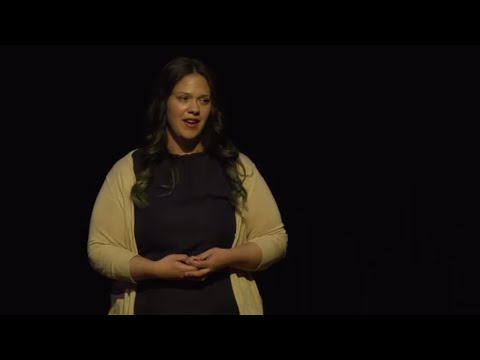
By TEDx Talks Emotional Space Art and Mental Health Brandy Burgett TEDxJeffersonCollege by TEDx Talks
the desire to be sad tragically beautiful art & romanticizing mental illness

By oliSUNvia the desire to be sad tragically beautiful art & romanticizing mental illness by oliSUNvia
David Lynch on Depression and Art - mental illness as the death of creativity

By Kaipitain Kai David Lynch on Depression and Art - mental illness as the death of creativity by Kaipitain Kai
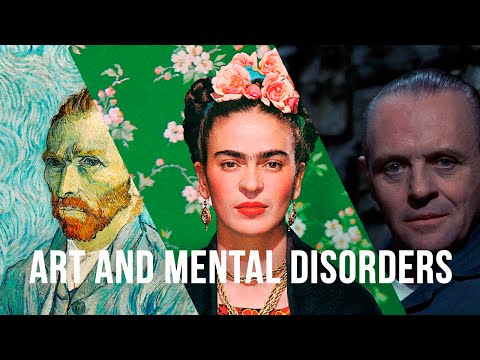
Title: Art and Mental Disorders - How are they related
Channel: The Secret Plot
Art and Mental Disorders - How are they related by The Secret Plot
Is This Depression? The Shockingly Simple Test You Need NOW!
Escape the Darkness: Stunning Art That Heals Depression
The human experience is a tapestry woven with threads of vibrant joy and somber shadows. Depression, a pervasive and often debilitating ailment, casts a long shadow over this tapestry, dimming colors and muting the harmonies of life. For those navigating this challenging terrain, the search for solace and healing is paramount. We understand the profound impact that mental health struggles can have. We also believe that art, in its myriad forms, can serve as a powerful beacon of hope, a transformative force capable of illuminating the darkest corners of the soul.
The Alchemy of Art: A Catalyst for Healing
Art possesses a unique and potent capacity to transcend verbal communication, reaching the core of our being where emotions reside. It's a language spoken without words, understood through the senses. When confronted with depression, which frequently isolates and silences individuals, art provides a lifeline, an avenue for self-expression when words fail. The act of creating, whether through painting, drawing, sculpting, or even the arrangement of flowers, becomes a therapeutic process. It is through this creative act that we embark on a journey of introspection, where we confront internal struggles, process complex emotions, and gradually rebuild our sense of self.
Visual Arts: Mirrors to the Soul
The visual arts offer particularly accessible and impactful avenues for healing. A blank canvas, a lump of clay, or a camera lens can all serve as portals to our inner world. Consider the simple act of selecting colors. The choice of a vibrant, energetic palette might reflect a yearning for joy and vitality, while the use of muted tones could represent an internal struggle. The act of putting paint to a canvas, of sculpting a form, of observing the world through the lens, can become meditative. We are immersed in the present moment, a crucial element in combating the ruminative thoughts often associated with depression. We witness the tangible manifestation of our inner world on a surface, which provides an external representation of an internal landscape. This allows us to see ourselves and our feelings in a new light.
Specific Artistic Approaches That Provide Relief
Several artistic approaches have consistently demonstrated effectiveness in aiding those experiencing the grip of depression:
Mandala Creation: The circular form of a mandala is a potent symbol of wholeness and unity. Creating a mandala, whether through painting, drawing, or coloring pre-designed templates, is a deeply meditative practice. The repetitive nature of the task provides a soothing rhythm, allowing the mind to quiet and focus. The symmetry of the mandala also offers a sense of order and stability, representing a sanctuary from the often chaotic nature of depressive thought patterns.
Abstract Expressionism: This artistic style, characterized by spontaneous, non-representational imagery, can be especially freeing for those struggling with depression. Without the constraint of depicting recognizable objects or scenes, individuals are free to express their emotions directly through color, form, and texture. This process encourages a letting go of the need for control and allows for a spontaneous outpouring of feeling.
Nature-Inspired Art: Engaging with nature provides an immediate connection to the therapeutic effects of the natural world. Art that captures the beauty of nature, whether through landscape painting, nature photography, or the creation of floral arrangements, can evoke feelings of peace and tranquility. The act of observing the intricate details of a flower, the vastness of a mountain range, or the delicate patterns of a snowflake, draws us out of our internal world and into the present moment.
Sculpting and Clay Work: The tactile experience of working with clay or other sculpting materials is incredibly grounding. The manipulation of the material can be a cathartic release, and the creation of a three-dimensional form provides a powerful sense of accomplishment. The physical act of molding and shaping can also be a metaphor for the process of rebuilding one's self-image.
The Power of Artistic Experience
Beyond the act of creation, the experience of viewing art can also be profoundly healing. Exposing oneself to different art forms, especially those that resonate emotionally, can provide comfort, inspiration, and a sense of shared humanity.
Visiting Art Museums & Galleries
Visiting museums and galleries gives us a chance to become immersed in the artistic world. Take the time to observe the artistry and reflect on how the art makes you feel. Often museums and galleries also have group sessions and art workshops that can help enhance your viewing.
Art as a Catalyst for Community
Art possesses the ability to connect us with others, diminishing the isolation that often accompanies depression. By participating in art classes, joining art groups, or even simply sharing our artwork with others, we foster a sense of community and belonging. Sharing our creative work can become a way to build meaningful connections with other individuals. The supportive and encouraging environment of an art community can provide a safe space to express ourselves and connect with others who understand the battles we face.
Finding Your Artistic Pathway: A Journey of Self-Discovery
Embarking on an artistic journey is not about achieving perfection or creating masterpiece. It is about the process, the exploration, and the self-discovery. If you are struggling with depression, we encourage you to explore the power of art.
Here are a few steps to begin:
- Experiment With Various Artistic Mediums: Don't limit yourself. Try painting, drawing, sculpting, photography, or any other form that sparks your interest.
- Embrace Imperfection: Allow yourself to make mistakes. It is through the imperfections that we learn.
- Focus on the Process: Immerse yourself in the act of creation. Let go of the need for a perfect outcome.
- Find Inspiration: Explore the work of other artists. Visit museums and galleries and become open to new artistic experiences.
- Connect With Others: Consider joining an art group or class. Sharing your work with others can be uplifting and comforting.
- Be Patient: Healing through art is a journey. It takes time and dedication. Celebrate your progress.
Embracing the Light: Art as a Lifelong Companion
Art is not simply a remedy for depression; it is a lifelong companion. It can brighten the shadows and provide solace. As we move forward on our journey, we can use art to help us navigate the difficult times and to celebrate times of joy. We encourage the use of art to gain a deeper understanding of oneself. Art can be the way to find healing, build resilience, and celebrate the beauty of the human spirit.
