
Title: How the world sees depression
Channel: Eliana Ghen
How the world sees depression by Eliana Ghen
depression test game, anxiety and depression test scores, depression test score, is there a test for depression
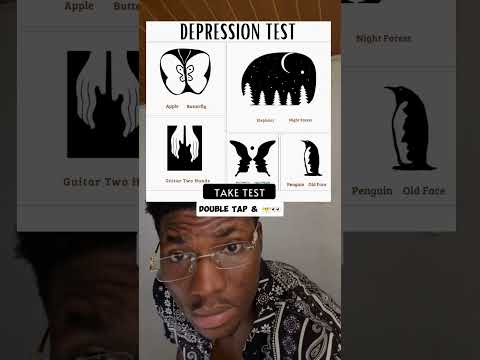
Is This Depression Test Game REALLY Accurate? (Shocking Results!)
Here's the article:
Is That Depression Test Game Telling the Truth? The Shocking Reality.
Have you ever stumbled upon those online quizzes promising to diagnose your mood? Perhaps you've encountered a "depression test game." You probably wondered if it’s actually accurate. Let’s unpack this interesting question. We’ll explore the reality behind these digital assessments.
The Allure of a Quick Fix: Are Games the Answer?
In today’s fast-paced world, instant answers are appealing. Thus, many seek quick solutions. Online depression tests, especially gamified ones, try to capitalize on this. They promise convenient assessments. They offer immediate scores. Therefore, it's easy to understand their popularity. But is this rapid diagnosis truly reliable? Can a simple game really understand the complexities of your mental health? The answer requires careful consideration.
Digging Deeper: What These Tests Actually Do.
Most of these "depression test games" rely on self-reporting. They provide a series of questions. You'll likely answer them about your feelings and behaviors. Such quizzes often use established scales. They might, for example, adapt questions from the Patient Health Questionnaire-9 (PHQ-9). The PHQ-9 is a common screening tool. However, it's important to remember the limitations. These tests are designed for screening. They are not definitive diagnostic tools, nevertheless.
The Human Factor: Burstiness and Nuance.
Consider this: human experiences vary greatly. That variation is difficult to capture in a standardized quiz. Real life is full of nuance and complexity. It's not easily translated into multiple-choice answers, consequently. A skilled therapist can pick up on subtle cues. They perceive the tone of your voice, your body language. They discern unsaid emotions. These crucial elements are often missing from a digital game.
Perplexity and AI-Generated Content:
Many online quizzes utilize AI or automated algorithms. These programs don't possess the same human understanding. AI might generate consistent sentence patterns. In contrast, human writing ebbs and flows. We use longer sentences, punctuated by shorter bursts. The result is greater perplexity. And, obviously, a richer reading experience. We, the writers, intentionally craft our words with this burstiness, as a result.
The Shocking Truth: Accuracy and Limitations.
So, are these tests "shockingly accurate"? In most cases, the answer is no. They can offer some insights. However, they should not be considered a substitute for professional evaluation. They may flag potential issues. But, they cannot provide a proper diagnosis. Think of them as a starting point, not a conclusive answer.
The Importance of Professional Help.
If you have concerns about depression, seek professional support. Talk to a doctor or a mental health professional. They can conduct a comprehensive assessment. They can explore potential causes. They'll consider your personal circumstances. They will provide informed guidance, instead of random guess work.
Beyond the Game: The Path to Wellbeing.
Mental health is complex. There are many factors to consider. They include genetics, lifestyle, and personal history. Furthermore, seeking therapy is essential. Cognitive Behavioral Therapy (CBT) and other therapies can be life-changing. They teach coping mechanisms, as well. Consider lifestyle changes, as well. Regular exercise, a healthy diet, and sufficient sleep are all important.
The Bottom Line: Use Caution and Critical Thinking.
Online depression tests can be tempting. They offer an accessible entry point to understanding. However, adopt a critical mindset. Don't rely solely on these tests. Treat them as a conversation starter. They are not a substitute for professional help. If you're struggling, please reach out for support. Your mental well-being is paramount. Therefore, invest in it.
Is Your Husband's Depression Ruining Your Pregnancy? (Shocking Truth Inside)Is This Depression Test Game REALLY Accurate? (Shocking Results!)
Let's be honest, we've all been there. Feeling a bit… off. Maybe the blues have taken up residence, or perhaps that inner voice is just a tad too critical these days. In this age of instant information and self-diagnosis, the internet teems with quizzes and "games" promising to tell us if we're teetering on the edge of depression. But are these online tools any good? Do they truly offer a glimpse into our inner world, or are they just digital funhouses designed to keep us clicking? We're diving deep today, exploring the world of online depression assessments and asking the million-dollar question: Is this depression test game really accurate? Prepare to be amazed (and maybe a little bit surprised).
1. Unveiling the Digital Depression Detectives
The explosion of online mental health resources is a double-edged sword. On the one hand, it democratizes access to potentially helpful resources. On the other, it’s a jungle. Anyone with a bit of coding know-how can create a quiz, load it with leading questions, and claim it’s a reliable diagnostic tool. We need to approach these resources with a healthy dose of skepticism. Think of these "tests" not as definitive diagnoses but as potential starting points for reflection and, if needed, further exploration.
Think of it like this: imagine trying to diagnose a broken engine by listening to a YouTube video about car noises. Sounds helpful, right? But you wouldn’t ditch the mechanic just because the video told you it's the fuel pump. This is similar. These online tools can give you a clue, but they aren’t a replacement for professional medical guidance.
2. The Allure of the Instant Answer
We’re creatures of instant gratification. We want quick answers. We want to know now. This is where these online quizzes thrive. They offer the seductive promise of a rapid-fire assessment, providing a "score" that neatly packages your feelings. It's a bit like ordering a takeout meal – convenient and fast, but not necessarily the healthiest option. The appeal is undeniable, but we need to understand the limitations.
Often, these tests use simplified versions of more comprehensive, clinically validated questionnaires (like the PHQ-9, for example). However, the shortened format necessarily sacrifices some depth and nuance. They may miss subtle symptoms or overlook the complexities of your individual experience.
3. What Exactly Do These "Games" Measure?
Most online depression tests focus on a constellation of symptoms commonly associated with the disorder. These might include:
- Persistent sadness or low mood: Feeling down, hopeless, or irritable for extended periods.
- Loss of interest or pleasure: No longer finding joy in things you used to enjoy.
- Changes in sleep: Sleeping too much or too little.
- Changes in appetite or weight: Significant gains or losses without intentional dieting.
- Fatigue: Feeling tired and lacking energy.
- Difficulty concentrating: Trouble focusing or making decisions.
- Feelings of worthlessness or guilt: Feeling responsible for your problems.
- Thoughts of death or suicide: Feeling overwhelmed by suicidal ideation.
It's crucial to realize that everyone experiences these symptoms at some point in their lives. The key factor in diagnosing depression is the intensity, duration, and impact of these symptoms on your daily functioning.
4. The Problem with Self-Diagnosis
Here's the sticky bit: we're not objective observers of ourselves. We all have biases, blind spots, and a tendency to view ourselves through a tinted lens. When taking a self-assessment, we might downplay our symptoms to appear stronger, or maybe we'll exaggerate them, leading to a false sense of security… or anxiety.
Self-diagnosis can be particularly tricky because it often skips the critical step of considering other potential causes for your symptoms. Could it be stress? A physical illness? Hormone imbalances? A skilled professional can help tease apart the underlying causes, leading to more effective treatment.
5. Taking the Test: My Personal Experience
Okay, full disclosure: I took a few of these online depression assessments myself, purely for “research” purposes (wink, wink). The experience was… well, it was what I expected. The questionnaires were straightforward, asking the same basic questions about mood, sleep, and energy levels.
The first test I took gave me a "mildly depressed" rating. I felt a slight ping of relief, like I was off the hook. Another test, however, painted a significantly darker picture. It suggested immediate professional help. So, who was right? Neither, necessarily. They just provided different perspectives.
6. Are These Tests Actually Valid?
This is where things get complicated. The validity of these online tests varies wildly. Some are based on established clinical scales and validated questionnaires– which is a good sign. However, many are created by non-experts, rely on unverified scales, and lack the rigorous testing needed to ensure accuracy.
Look for tests that:
- Cite their sources: Are they based on established diagnostic criteria like the DSM-5?
- Explain their scoring system: Are they transparent about how they arrive at their results?
- Clearly state their limitations: Do they acknowledge that they are not a replacement for professional evaluation?
7. The Hidden Bias: Cultural Considerations
Depression manifests differently across cultures. Symptoms that are considered significant in one culture may be viewed differently in another. Many online tests are developed in Western contexts, potentially creating a bias that does not accurately reflect the experiences of people from different backgrounds. This is a crucial aspect to consider!
8. Navigating the Digital Maze: How to Choose Wisely
If you decide to explore an online depression assessment, tread carefully. Here are a few tips to help you navigate the digital landscape:
- Look for credible sources: Stick to tests developed by reputable organizations (universities, mental health clinics, etc.).
- Read the fine print: Understand the test's purpose, limitations, and intended audience.
- Don't put all your eggs in one basket: Take several tests and compare results. Remember, this is a starting point, not a diagnosis.
- Prioritize professional guidance: If you're concerned about your mental health, consult a doctor or therapist. They can provide a comprehensive evaluation and create a personalized treatment plan.
9. The Illusion of Control: Why We Seek Answers Online
We live in a world of constant uncertainty. We crave control. When we feel overwhelmed by our emotions, the internet seems to offer an easy solution. It's tempting to believe that a simple quiz holds the key to unlocking our inner turmoil. The truth is, understanding mental health is rarely simple. It requires time, reflection, and often, expert guidance.
10. The Placebo Effect: And the Power of Expectation
The very act of taking an online test can sometimes bring about a change in your mood, regardless of the results. If you believe the test will help you feel better, you might subconsciously focus on positive changes, leading to a perceived improvement. It's the placebo effect in action! This doesn't mean the test "worked," but it does highlight the powerful connection between our minds and our bodies.
11. The Risk of Misdiagnosis: A Real Concern
Receiving an inaccurate diagnosis can be incredibly damaging. If a test incorrectly indicates that you are not depressed, you might delay seeking help when you truly need it. Conversely, a false positive could lead to unnecessary worry, medication, or therapy. This is why professional evaluation is essential.
12. The Ethical Quandaries: Data Privacy and Confidentiality
Many online platforms collect and store user data. This raises serious privacy concerns. Do you know how your data is being used? Is it being shared with third parties? Before taking any online test, carefully read its privacy policy and ensure that your data is protected.
13. The Silver Lining: The Value of Awareness
While online depression tests may not be foolproof, they can still serve a valuable purpose by raising awareness and starting a conversation. They can alert you to potential symptoms, making you realize that you possibly need to seek help.
14. Reaching Out: When to Seek Professional Help
You should seek professional help if:
- Your symptoms are persistent and interfere with your daily life.
- You're experiencing thoughts of self-harm or suicide.
- You're having difficulty functioning at work, school, or in your relationships.
- You feel overwhelmed and unable to cope with your emotions.
- You are experiencing any of the symptoms we have discussed above, and they persist for more than 2 weeks.
15. The Bottom Line: Use with Caution, Seek Expert Guidance
So, is that online depression test game really accurate? The answer, unfortunately, is complicated. While these tools can sometimes provide a clue or raise awareness, they are not a substitute for professional evaluation. They are not like a magic mirror that will show you a perfect reflection.
Closing Thoughts
Ultimately, navigating the world of mental health requires a combination of self-awareness, critical thinking, and a willingness to seek help when needed. These online assessments can be a small part of the journey, but please remember: your mental wellbeing is too important to leave to a digital quiz.
Remember, seeking help is a sign of strength, not a weakness. Reach out to a trusted friend, family member, or
Depression: Unveiling the Shocking Truth Behind the Great Depression (and How It Still Affects You)9 Symptoms of Depression shorts

By Dr. Tracey Marks 9 Symptoms of Depression shorts by Dr. Tracey Marks
Think You're Depressed ONLINE TEST

By Authentic Mental Health Think You're Depressed ONLINE TEST by Authentic Mental Health
DEPRESSED TEST if you dont see the image of the words written....you're depressed
By GABEXMEME DEPRESSED TEST if you dont see the image of the words written....you're depressed by GABEXMEME

Title: This Image Will Reveal How Stressed You Are
Channel: Authentic Mental Health
This Image Will Reveal How Stressed You Are by Authentic Mental Health
Depression-Era Delights: Recipes So Good, They'll Make You Forget the Great Depression!
Is This Depression Test Game REALLY Accurate? (Shocking Results!)
We've all been there, adrift in a sea of thoughts, questioning the tides of our own emotions. In today's digital world, seeking answers often leads us to online resources, quizzes, and even games that promise to shed light on our mental well-being. One such offering: a "depression test game." The allure of such an interactive approach is clear—it's quick, engaging, and promises immediate insights. But the crucial question remains: how accurate are these digital self-assessments? This article delves into the complexities of these online tools, providing a comprehensive analysis of their capabilities and limitations, and, ultimately, asking the million-dollar question: can a game truly understand the intricate landscape of depression?
Navigating the Digital Landscape of Mental Health Assessments
The accessibility of the internet has revolutionized how we approach mental health. Online quizzes, often presented as games due to their interactive nature, are readily available. These tools typically present a series of questions, designed to gauge your feelings, behaviors, and thought patterns. Your responses are then processed, generating a score or a categorization that purportedly indicates your level of depressive symptoms. This convenience is undeniably appealing, offering immediate results without the need for an in-person appointment.
The format itself contributes to the appeal. Gamification, the incorporation of game-like elements (points, levels, rewards) into non-game contexts, makes the process more engaging. This can be particularly beneficial for individuals who might be hesitant to engage with more traditional assessment methods. The anonymity afforded by online platforms can also encourage honest responses, particularly for those who are self-conscious or uncomfortable discussing their feelings with a healthcare professional.
However, this accessibility comes with significant caveats. The very ease of access can lead to misuse, either through reliance on unreliable assessments or through self-diagnosis without professional consultation. While online tools can be a starting point, they should not replace a formal clinical evaluation.
The Science Behind the “Game”: Understanding the Underlying Mechanisms
Most online "depression test games" are based on established diagnostic criteria, such as those outlined in the Diagnostic and Statistical Manual of Mental Disorders (DSM-5). These criteria define specific symptoms and their duration to diagnose depression. Questions within these games will often probe for these symptoms.
The questions may address mood: "Have you been feeling sad, hopeless, or empty most of the day, nearly every day?" They may ask about changes in sleep patterns: "Have you been sleeping more or less than usual?" Appetite and weight: "Have you experienced significant weight loss or gain when not dieting?" as well as loss of interest in previously enjoyed activities, feelings of worthlessness or guilt, difficulty concentrating, and suicidal thoughts. The more frequently you answer with symptoms of depression, the higher the probability of a positive score.
These tests often employ a scoring system, associating specific answers with different point values. Your total score is then compared to pre-defined thresholds, categorizing you into different levels of severity, from "mild" to "severe." It is important to understand that most of these tests are not standardized diagnostic tools; they serve as a screening tool.
Unveiling the Limitations: Accuracy, Reliability, and Interpretation
While the structure of many online tests is based on clinical criteria, several factors can affect their accuracy and reliability. One primary concern is the lack of professional oversight. Most online games are not developed or validated by mental health professionals. The questions may not be comprehensive enough to capture the nuances of individual experiences, and the scoring systems may not adequately reflect the complexity of depression.
Another significant limitation is the reliance on self-reporting. Individuals may struggle to accurately assess their feelings or may not fully understand the questions. Additionally, factors like social desirability bias the tendency to present oneself in a favorable light, can influence responses. Someone may minimize their symptoms or may misinterpret the questions, leading to an inaccurate assessment.
Furthermore, the tests cannot account for individual differences. Depression manifests differently in each person. Age, gender, cultural background, and life circumstances can all influence symptoms and their severity. A generic online test may not consider these unique contexts.
Perhaps the most significant limitation is that these tests cannot provide a diagnosis. Only a qualified mental health professional can diagnose depression. A formal diagnosis requires a thorough evaluation, which includes clinical interviews, a review of medical history, and a consideration of other potential contributing factors. The results of an online "depression test game" should be regarded as preliminary information rather than a definitive diagnosis.
Digging Deeper: The Potential for Misinterpretation and Misuse
The immediate availability of results can lead to several issues. If a test suggests you may be experiencing depression, you might become overly concerned and begin to engage in self-diagnosis. Conversely, if the result suggests you are "fine," you might dismiss your symptoms, leading to them remaining unaddressed.
There’s also the risk of "cyberchondria," the escalating anxiety that results from excessive internet searching. A high score on a depression test could trigger endless searches, further fueling your anxiety.
The potential for misuse extends to the realm of treatment. Relying solely on the results of a game could lead you to pursue inappropriate or ineffective treatments. It's crucial to recognize that online tests are not a substitute for professional guidance when it comes to your mental health.
Spotting the Red Flags: Recognizing Unreliable Tools
Navigating the landscape of online mental health assessments can be tricky. There are ways to identify unreliable tools that lack scientific validity. Be wary of the following:
- Lack of Credible Sources: If the game does not explicitly state its basis in established diagnostic criteria or cite specific psychological frameworks, consider this a red flag.
- Absence of Professional Review: If the game developers are not mental health professionals, or if there's no mention of validation by experts, exercise caution.
- Overly Simplistic or Generalized Results: Games that provide black-and-white answers or make sweeping declarations without considering individual circumstances should be approached cautiously.
- Emphasis on Gamification Over Accuracy: If the game prioritizes entertainment over thoughtful questions and relevant analysis, the reliability of the results is questionable.
- Solicitation of Personal Information: Be wary of games that ask for sensitive personal information, such as financial data. A reputable assessment should exclusively focus on your psychological state.
The Silver Lining: How These Games Can Be Used Responsibly
Despite their limitations, online “depression test games” can be helpful when used appropriately. Here are some ways to incorporate these tools responsibly:
- A Starting Point for Self-Reflection: Use the questions as prompts to think about your emotions and behaviors. They can help you to identify potential areas of concern.
- A Catalyst for Open Dialogue: If you're struggling, the results can provide a common language and encourage you to discuss your experiences with a friend, family member, or healthcare professional.
- Part of a More Comprehensive Approach: Integrate the results into a broader assessment conducted by a qualified mental health professional. Provide the health professional with the test results before your assessment.
- Monitoring Your Progress: If your healthcare provider recommends this, you can regularly complete an assessment. The results can help track changes in your symptoms over time. Note that a professional should interpret your scores.
Seeking Professional Help: The Importance of Clinical Evaluation
If you are experiencing symptoms of depression, seeking professional help is the most important step you can take. A qualified mental health professional can provide a diagnosis, develop a treatment plan, and offer essential support.
A healthcare provider can conduct a thorough evaluation, including a clinical interview to assess your symptoms in detail. The professional may use standardized screening tools, but these will be part of the diagnostic process, not the sole basis of a diagnosis. They will also consider your medical history, family history, and lifestyle factors.
Treatment options will vary, including therapy, medication, or a combination of both. Cognitive-behavioral therapy (CBT) and other forms of talk therapy are often used to help you manage symptoms and learn coping skills. Antidepressant medication may be prescribed to balance the chemicals that are in the brain. Your healthcare provider can make personalized recommendations.
Conclusion: Navigating the Digital Maze to Mental Wellness
In conclusion, while online "depression test games" can be an engaging and accessible starting point, they should not be a substitute for professional assessment and care. They can provide a level of self-awareness, but their reliance on self-reporting, lack of professional oversight, and inability to fully capture the complexities of depression limits their accuracy and reliability.
Approach these games with a discerning eye. Use them as a trigger to reflect on your feelings, but always prioritize seeking guidance from a qualified mental health professional. Remember that your emotional well-being is a complex and important concern. Taking steps to safeguard your mental health requires a comprehensive approach, and professional evaluation forms the cornerstone of that approach.
