
Title: Best Way to Study the DSM-5 Easily Learn the DSM-5 and Learn Diagnostic Criteria
Channel: Psychofarm
Best Way to Study the DSM-5 Easily Learn the DSM-5 and Learn Diagnostic Criteria by Psychofarm
dsm 5 depression test pdf, dsm 5 depression score, is depression in the dsm 5, what is the dsm-5 code for depression, what are the dsm-5 criteria for depression
Is THIS the SHOCKING DSM-5 Depression Test Result You NEED to See?
Unveiling the Unexpected: Your Guide to Mental Wellness
Have you ever felt trapped in a swirling vortex of emotions? Perhaps you've felt a persistent weight on your chest. In today's world, mental health is something we must all address. We often overlook the significance of understanding our inner landscapes. This article isn't about just providing information. Rather, it is a journey. We'll explore the profound implications of mental well-being. It’s especially crucial considering the stressors of modern life.
Decoding the DSM-5: A Glimpse into the Diagnostic Manual
The DSM-5, or Diagnostic and Statistical Manual of Mental Disorders, is a cornerstone. It's used by mental health professionals globally. Think of it as a comprehensive guide. It details various mental health conditions. Consequently, it aids in diagnosis and treatment planning. The DSM-5 is not a rigid set of rules. Instead, it’s a dynamic tool. Therefore, it evolves with our understanding of the human mind.
The Unexpected Truth: Beyond the Surface
The title, "Is THIS the SHOCKING DSM-5 Depression Test Result You NEED to See?" is intriguing. It prompts a moment of reflection. What exactly is truly shocking? So often, we fixate on surface-level symptoms. We may not realize the interconnectedness of our minds and bodies. Depression, a common yet complex condition, manifests differently. It can be subtle or overt. Therefore, it’s crucial to look beyond the obvious.
Navigating the Complexities of Depression: More Than Just Sadness
Depression isn't simply feeling sad. It’s a multifaceted illness. It affects your thoughts, feelings, and behaviors. It also impacts your physical health. Thus, it is crucial to recognize its many faces. Consequently, you can seek appropriate support. For some, it might appear as persistent fatigue. Others may experience a loss of interest in activities they once cherished. Furthermore, sleep patterns and appetite can change. Therefore, early diagnosis is essential. You should consult professionals for an accurate assessment.
Unpacking the Symptoms: Recognizing the Signs
Pay close attention to your emotional state. Do you find yourself persistently feeling down? Are you experiencing a loss of pleasure in activities? Pay close attention to your cognitive function. Do you have problems concentrating? Are you experiencing feelings of worthlessness or guilt? These are all potential signs. These may indicate a deeper issue. Physical symptoms, such as headaches or digestive problems, are also common. Consequently, it is important to consider all aspects of your well-being.
The Power of Seeking Professional Help: Your Path to Healing
Reaching out for professional guidance is a sign of strength. Don’t hesitate to seek help from a qualified therapist. A professional can offer accurate diagnosis. They can also develop a personalized treatment plan. Therapeutic approaches, like cognitive behavioral therapy, can be effective. These assist in changing negative thought patterns. In addition, medication may be part of the treatment plan. Thus, you can find relief from your symptoms. The journey to recovery is not always linear. Be patient with yourself.
Embracing Self-Care: Building Resilience and Well-being
Beyond professional treatment, self-care is essential. Incorporate activities that nourish your mind and body. This includes regular exercise. It also involves a balanced diet. Furthermore, mindfulness practices such as meditation are helpful. Support groups can offer a sense of community. This also allows you to share your experiences. Make time for activities you enjoy. This allows for a positive outlook.
The Road Ahead: Continuing the Conversation
The journey to mental well-being is ongoing. Stigma surrounding mental health remains a significant hurdle. Education and open dialogue are essential. We need to create a supportive environment. This allows people to seek help without shame. So, let’s continue the conversation. Let’s empower each other. This will encourage everyone to prioritize their mental health. In conclusion, understanding your mental health is key. It allows for a life full of purpose and joy.
Depression-Era Unemployment: Shocking Stats You Won't Believe!Is THIS the SHOCKING DSM-5 Depression Test Result You NEED to See?
Hey everyone! Ever felt like you were navigating a mental maze, unsure of the twists and turns that life throws your way? We've all been there, haven't we? Especially when those feelings of persistent sadness, hopelessness, and a general lack of interest in the things that used to bring us joy start to creep in. Today, we're diving headfirst into a topic that touches many of our lives: depression. And we're not just scratching the surface; we're going deep, exploring the diagnostic tool used by mental health professionals, the DSM-5, and asking the big question: Is there a crucial piece of information you might be missing about your own mental well-being?
1. Decoding the DSM-5: Your Guide to Understanding Depression
First things first, let's demystify the DSM-5. It stands for the Diagnostic and Statistical Manual of Mental Disorders, 5th Edition. Think of it as the mental health professional's bible – a comprehensive guide used to diagnose various mental health conditions, including, of course, depression. It’s a detailed checklist, a framework, helping clinicians understand the specific symptoms, duration, and severity of your experience. It's the starting point for understanding if what you're feeling aligns with a diagnosis.
2. The Baseline: What IS Depression, Really?
Before we get to the test results (which are not a physical test by the way, more on that later!), let's solidify our understanding of depression. It's more than just feeling sad. Picture it as a persistent, heavy cloud that hangs over your entire existence, affecting your thoughts, feelings, and behaviors. This cloud can manifest in a variety of ways:
- Persistent Sadness: Feeling down, blue, or empty for most of the day, nearly every day.
- Loss of Interest: Finding little or no pleasure in activities you once loved (hobbies, socialising, etc.).
- Changes in Appetite or Weight: Significant weight loss when not dieting, weight gain, or a marked decrease or increase in appetite nearly every day.
- Sleep Disturbances: Insomnia (difficulty sleeping) or hypersomnia (sleeping too much) nearly every day.
- Fatigue or Loss of Energy: Feeling tired and worn out, even after getting enough sleep.
- Feelings of Worthlessness or Excessive Guilt: Believing you are a failure or constantly blaming yourself.
- Difficulty Concentrating: Trouble focusing, remembering things, or making decisions.
- Recurrent Thoughts of Death or Suicide: Thinking about death, dying, or suicide, or having a suicide plan.
These symptoms, experienced over a prolonged period (typically at least two weeks), are what contribute to the diagnostic picture of depression as detailed in the DSM-5.
3. The DSM-5: Not a Test, But a Tool
Here's where the "shocking result" part comes in folks. The DSM-5 isn't a blood test or a brain scan. It IS a decision-making tool, like a checklist combined with professional expertise. When we talk about “the DSM-5 depression test," we're really referencing the process a professional uses to determine if you meet the criteria for a diagnosis. Think of it as a roadmap that guides a mental health professional’s evaluation, based on your reported experiences. It's a conversation, a deep dive into your feelings and experiences, rather than a simple yes/no answer from an automated test. The "results" are the clinician's informed interpretation of your symptoms.
4. The Clinician's Role: More Than Just a Checklist
The DSM-5 provides the framework, but the clinical perspective is important. It's where the real work is done. A qualified therapist or psychiatrist will engage in a thorough evaluation. This includes:
- A detailed interview: You’ll discuss your symptoms, the timeframe of their presence, and their impact on your daily life.
- Review of your medical history: To rule out potential medical causes of your symptoms.
- Assessment of your mental state: To understand your mood, thought processes, and other mental functions.
They listen, they observe, and they interpret your experience within the framework of the DSM-5 criteria. It's a collaborative process, not a judgment.
5. Unpacking the Criteria: What To Look For
The key to understanding the DSM-5 is understanding the core criteria. For example, you need to experience five or more of the symptoms listed in Section 2 (see above) during the same two-week period, and at least one of the symptoms must be either depressed mood or loss of interest or pleasure.
This is just a simplified overview, of course. The DSM-5 also considers other crucial factors:
- The impact of the symptoms on your daily life: Are these symptoms significantly impacting your work, relationships, or other areas of your life?
- Exclusion of other conditions: Ruling out other potential explanations for your symptoms, such as a medical condition or substance use.
6. The "Shocking" Truth: No One-Size-Fits-All
Here's another "shocking" truth: depression manifests differently in each person, like unique fingerprints. The DSM-5 acknowledges this by providing different "specifiers" to describe the nuances of your experience. These specifiers help doctors tailor treatment to your specific situation.
- With anxious distress: Feeling tense, restless, or worried.
- With mixed features: Experiencing symptoms of both depression and mania (e.g., elevated mood, increased energy).
- With melancholic features: Experiencing a loss of pleasure in almost all activities, and more.
7. Debunking Myths: The DSM-5 Isn't the Enemy
There are plenty of myths out there about the DSM-5. Let's clear up a few common misconceptions:
- Myth: The DSM-5 pathologizes normal emotions. Fact: The DSM-5 aims to differentiate between normal emotional fluctuations and the symptoms of a mental disorder that causes significant distress and impairment.
- Myth: The DSM-5 is biased. Fact: The DSM-5 has been updated and revised over time to reflect the best available research and clinical understanding.
- Myth: The DSM-5 is a rigid, inflexible tool. Fact: Mental health professionals use clinical judgment and tailor their assessments to each individual.
8. The Importance of Accurate Diagnosis
Why is a diagnosis of depression, based on the DSM-5 criteria, so important? Because it's the first step towards getting the help you need. An accurate diagnosis allows your healthcare provider to:
- Develop a personalized treatment plan: This can include therapy, medication, or a combination of both.
- Monitor your progress: Tracking your symptoms helps to adjust your treatment plan as needed.
- Provide support: Providing important access to support groups, peer-to-peer networks, and other resources.
9. Beyond the Checklist: The Human Element
While the DSM-5 provides a structure, it's crucial to remember that mental health is deeply personal. The most important part of the "test" is the relationship you build with your healthcare provider. A good therapist or psychiatrist will create a safe space for you to freely share your experiences.
10. Where to Go for Support: Taking the First Step
If you suspect you might be experiencing depression, the first step is always to reach out for help. Here are some resources:
- Your primary care physician: They can screen for depression and refer you to a mental health specialist.
- Licensed therapists and psychologists: Find a therapist in your area through Psychology Today or other directories.
- Psychiatrists: They can assess your mental health, provide a diagnosis, and prescribe medication if needed.
- Crisis hotlines: If you are feeling suicidal, reach out to a crisis hotline immediately. (In the US, call or text 988).
11. Treatment Options: Finding What Works for You
There's no "one size fits all" treatment for depression. The best approach is one that’s tailored to your specific needs. Common treatments include:
- Therapy: Types like Cognitive Behavioral Therapy (CBT) and Interpersonal Therapy (IPT) can help you to identify and change negative thinking patterns and improve your coping skills.
- Medication: Antidepressants can help to regulate the brain chemicals linked to mood disorders.
- Lifestyle changes: Exercise, a healthy diet, and consistent sleep can significantly improve your mood and overall well-being.
- Support groups: Connecting with others who understand what you're going through can provide invaluable emotional support and reduce feelings of isolation.
12. Self-Care Strategies: Empowering Yourself
While professional help is crucial, self-care plays a massive role in managing depression. Think of it as your personal toolbox:
- Practice mindfulness and meditation: Learn techniques to calm your mind and reduce stress.
- Exercise regularly: Physical activity releases endorphins, which have mood-boosting effects.
- Prioritize sleep: Aim for 7-9 hours of quality sleep each night.
- Eat a balanced diet: Nourish your body with healthy foods.
- **
Depression Disorders in the DSM 5 TR Symptoms and Diagnosis

By Doc Snipes Depression Disorders in the DSM 5 TR Symptoms and Diagnosis by Doc Snipes
DSM V Criteria for Depression - SIG E CAPS Mnemonic Diagnosis of Depression

By Rhesus Medicine DSM V Criteria for Depression - SIG E CAPS Mnemonic Diagnosis of Depression by Rhesus Medicine
Depression Explained Major Depressive Disorder
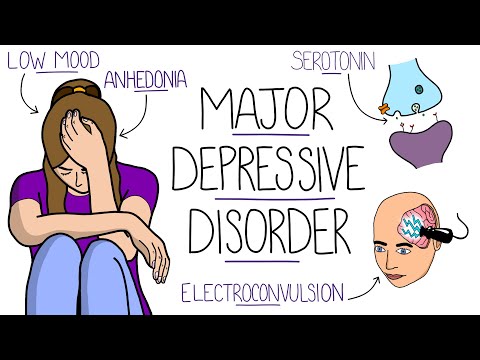
By Rhesus Medicine Depression Explained Major Depressive Disorder by Rhesus Medicine

Title: Major Depressive Disorder MDD DSM-5-TR
Channel: D for Therapy
Major Depressive Disorder MDD DSM-5-TR by D for Therapy
Depression Quotes That Will Make You Cry (But Also Feel Seen)
Is THIS the SHOCKING DSM-5 Depression Test Result You NEED to See?
You’ve arrived at a crossroads. You’re seeking answers, a clearer understanding of a complex internal landscape. Perhaps you’re navigating the unsettling terrain of persistent sadness, crippling fatigue, or a sense of detachment that feels heavier than the world itself. You might be questioning whether what you’re experiencing aligns with diagnostic criteria, wondering if the shadows you perceive are, in fact, a manifestation of something deeper, something with a name, and perhaps, a path toward healing. This isn't just another article. It’s a meticulous exploration, a carefully constructed guide designed to help you untangle the often-confusing threads of depression, specifically as framed within the diagnostic criteria of the DSM-5. Forget the superficial; we're diving deep.
Understanding Depression: Beyond the Everyday Blues
Life throws curveballs. We all experience periods of low mood, moments when the world feels a little dimmer, and the prospect of facing everyday challenges seems particularly daunting. These fleeting moments, however, are distinct from the persistent, pervasive experience of major depressive disorder. The DSM-5, the Diagnostic and Statistical Manual of Mental Disorders, Fifth Edition, provides the framework for diagnosing these more serious conditions. It serves as the gold standard in the mental health field, offering a standardized language and set of criteria used by clinicians worldwide.
We must begin with a fundamental point: Depression isn’t a sign of weakness, a character flaw, or a lack of willpower. It's a recognized medical condition impacting the brain and body, one often rooted in a complex interplay of genetics, environmental factors, and life experiences. This article will serve as a comprehensive guide, a compass to help understand your lived experiences.
The DSM-5 Criteria: Decoding the Diagnostic Checklist
Imagine the DSM-5 as a detailed checklist. To receive a diagnosis of major depressive disorder, an individual must meet specific criteria over a sustained period. These criteria, meticulously defined, provide a consistent basis for clinicians to assess and diagnose the condition. Let's break down the core components:
The cornerstone of a diagnosis is the presence of either depressed mood or loss of interest or pleasure in most activities, nearly every day, for at least two weeks. This isn't just a bad day; it’s a persistent emotional experience that significantly impacts daily functioning. The depressed mood can manifest as sadness, emptiness, hopelessness, or irritability, especially in children and adolescents. The loss of interest or pleasure, known as anhedonia, represents a diminished engagement in activities previously enjoyed. Things that once brought joy – hobbies, socializing, even simple pleasures like eating – are now met with indifference or a sense of emotional numbness.
Beyond these core symptoms, the DSM-5 outlines a series of additional indicators that may accompany a depressive episode. Importantly, a person must experience at least five of the following symptoms (including either depressed mood or anhedonia) to meet the diagnostic criteria:
- Significant weight loss when not dieting, weight gain, or a decrease or increase in appetite nearly every day. This can manifest as a noticeable change in body weight or a disruption in eating patterns. Some individuals might find they have no appetite, leading to weight loss, while others may turn to food for comfort, resulting in weight gain. Both scenarios highlight a disruption in the body's natural rhythms.
- Insomnia or hypersomnia nearly every day. Sleep is often profoundly affected by depression. Insomnia, the inability to sleep, can cause difficulty falling asleep, staying asleep, or waking up too early. Hypersomnia, conversely, involves excessive sleepiness, sleeping for unusually long periods.
- Psychomotor agitation or retardation nearly every day. This refers to observable changes in physical activity. Psychomotor agitation involves restlessness, fidgeting, pacing, or an inability to sit still. Psychomotor retardation signifies slowed movements, slowed speech, and a general feeling of sluggishness.
- Fatigue or loss of energy nearly every day. This is more than just feeling tired; it’s an overwhelming sense of exhaustion that may make even simple tasks feel insurmountable. This fatigue can be physical, mental, or both, and significantly impairs daily activities.
- Feelings of worthlessness or excessive or inappropriate guilt (which may be delusional) nearly every day. This can include self-blame, a sense of inadequacy, or a distorted perception of one's value. The guilt may be related to past actions or perceived failures.
- Diminished ability to think or concentrate, or indecisiveness, nearly every day. Depression can significantly impact cognitive function. Individuals may struggle to focus, remember things, or make decisions. This can affect performance at school or work and make everyday tasks more difficult.
- Recurrent thoughts of death (not just fear of dying), recurrent suicidal ideation without a specific plan, or a suicide attempt or a specific plan for committing suicide. Suicidal thoughts and behaviors are serious symptoms and require immediate attention. These thoughts can range from fleeting considerations of death to detailed plans for self-harm.
Delving Deeper: Exploring the Nuances of Diagnosis
The diagnostic criteria outlined above offer a solid foundation, but understanding the complexities of depression requires more nuance. The DSM-5 emphasizes the importance of considering several key factors when evaluating an individual's experience:
- Severity: The DSM-5 incorporates a system for rating the severity of a depressive episode. This assessment, based on the number and intensity of symptoms and the level of impairment, can range from mild to moderate to severe. Understanding the severity helps clinicians devise appropriate treatment plans.
- Specificity: The DSM-5 also encourages clinicians to specify particular features of the depressive episode, such as the presence of anxious distress, mixed features (e.g., manic symptoms), melancholic features, atypical features, psychotic features, catatonia, peripartum onset (related to pregnancy), or seasonal patterns. These specifications are crucial because they influence treatment approaches. For example, a patient with psychotic features might require medication to address those symptoms, while someone with a seasonal pattern might benefit from light therapy.
- Exclusionary Criteria: It’s also important to rule out other potential explanations for the symptoms. The DSM-5 stresses that the symptoms must not be attributable to the physiological effects of a substance (e.g., drug abuse or medication side effects) or another medical condition (e.g., hypothyroidism).
- The Impact of Life Events: The DSM-5 acknowledges the role of significant life events in triggering depressive episodes. However, the diagnosis is based on the symptoms themselves and their persistence, not just the presence of a stressor.
- The Importance of Professional Assessment: The diagnostic process relies heavily on a thorough clinical interview, including a comprehensive medical history, careful observation of the individual's behavior, and standardized assessment tools. A qualified mental health professional – a psychiatrist, psychologist, or licensed therapist – is best equipped to conduct this assessment and provide an accurate diagnosis.
Beyond the Checklist: Personalized Treatment and Recovery
Receiving a diagnosis of depression is not a life sentence. It’s a starting point, a gateway to understanding and, importantly, to healing. The DSM-5 provides the foundation for understanding and diagnosing, but your path to recovery is uniquely your own. Treatment approaches are as individual as the people they serve.
- Therapy: Psychotherapy, often referred to as "talk therapy," is a core element of treatment. Depending on the individual's needs, various therapeutic approaches may be employed, including cognitive-behavioral therapy (CBT), interpersonal therapy (IPT), and psychodynamic therapy. Therapy helps to identify negative thought patterns, develop coping mechanisms, and process past experiences contributing to depression.
- Medication: Antidepressant medications may be prescribed to help manage symptoms. These medications work by influencing the levels of neurotransmitters in the brain, such as serotonin, norepinephrine, and dopamine. Medication is often used in conjunction with therapy.
- Lifestyle Modifications: Complementing therapy and medication, lifestyle adjustments can significantly improve well-being. These include regular exercise, a balanced diet, sufficient sleep, and stress-reducing strategies.
Your Next Steps: Navigating the Path Forward
If you suspect you might be experiencing symptoms of depression, seeking professional help is the most crucial step. A qualified mental health professional can conduct a thorough assessment, provide a diagnosis, and recommend a personalized treatment plan. Don't face this alone.
- Consult Your Doctor: Schedule an appointment with your primary care physician. They can provide an initial assessment, rule out any underlying medical conditions that may be contributing to your symptoms, and provide a referral to a mental health specialist.
- Seek a Mental Health Specialist: Contact a psychiatrist, psychologist, or licensed therapist in your area. Many insurance providers have directories of in-network mental health professionals.
- Be Honest and Open: When speaking with a mental health professional, be as honest and open as possible about your thoughts, feelings, and experiences. The more information you provide, the better they can understand your needs.
- Embrace Self-Care: Prioritize self-care activities during your treatment. Engage in activities that bring you joy, manage stress, and promote overall well-being.
- Don’t Give Up: Recovery from depression takes time and effort. There will be ups and downs along the way. Remember to be patient with yourself, celebrate your progress, and seek support when needed.
This detailed guide offers a comprehensive overview of depression as defined by the DSM-5. It is designed to provide you with the knowledge and language to understand your experience. However, it is not a substitute for professional medical advice. Your mental health is important. Prioritize your well-being, take that
