
Title: 1930's Glassware of the Depression Era
Channel: Old Curiosity Shop
1930's Glassware of the Depression Era by Old Curiosity Shop
vintage depression era glass, green depression era glass, green river depression era glass club, what is vintage depression glass, depression era glass value, what is depression era glass
Vintage Depression Glass: Unbelievable Finds You Won't Believe Exist!
Unearthing Treasures: The Astonishing World of Vintage Depression Glass
Have you ever stumbled upon a shimmering piece of colored glass and felt an immediate pull? Because the world of vintage Depression glass whispers tales of bygone eras. It's a captivating realm filled with beauty, history, and surprising treasures. Some of these finds are truly unbelievable.
A Glimpse into a Bygone Era
Depression glass emerged during a time of hardship. Specifically, the Great Depression. Manufacturers cleverly used it as promotional items. They frequently included it in boxes of soap and cereal. Consequently, this created accessible beauty for everyone. Colors like pink, green, and amber became iconic. Collectors still adore these vibrant hues. It’s truly a testament to resilience.
The Allure of the Unexpected
Moreover, the thrill of the hunt is a huge part of the appeal. You never quite know what you'll uncover. Flea markets, antique shops, and online auctions are goldmines. You might unearth a delicate teacup. Then again, you could discover a complete dinner service. Finding rare patterns and colors is particularly exciting. The stories behind these pieces are intriguing.
Unveiling the Hidden Gems
Some Depression glass pieces are incredibly rare. Therefore, their value can be substantial. Pattern popularity changes, of course. But pieces from specific manufacturers always attract attention. Examples include companies like Federal Glass, and Hazel Atlas. These details make the search all the more captivating. Moreover, some of the most sought-after items are the unusual ones.
Spotting the Real McCoy
Authenticity is key. Before you buy, inspect the glass closely. Genuine Depression glass will often have slight imperfections. These flaws add to its charm. Look for mold marks. Check for the telltale signs of age. For instance, the surface may show tiny scratches. Researching patterns is also crucial. Many online resources help identify authentic pieces.
Beyond the Basics: Uncommon Finds
Think beyond the everyday dinnerware. You'll find exciting variations. For instance, there are candleholders, ashtrays, and even refrigerator dishes. These items feature vibrant colors. Additionally, they have striking patterns. They often represent the peak of Depression-era artistry. Moreover, finding these "extras" is a huge thrill for collectors.
The Patterns That Captivate
Specific patterns hold significant appeal. "Cameo" and "Mayfair" are consistently popular. Others like "Madrid" and "Princess" each have their own admirers. Researching these patterns is an enjoyable part of the collecting process. Each pattern tells a story. This makes your collection far more interesting.
Caring for Your Treasures
Depression glass is fragile. Therefore, gentle care is essential. Hand washing is always preferable. Avoid harsh detergents. Display your collection carefully. Proper storage helps preserve its beauty. Consider using soft cloths between pieces. This prevents scratches. Moreover, these precautions will extend the life of your collection.
Building Your Collection: A Step-by-Step Guide
Starting a collection can seem daunting. First, set a budget. Next, research patterns. Browse online resources. Visit antique shops. Be patient and persistent. Don't be afraid to ask questions. Slowly but surely, your collection will grow.
The Enduring Legacy
Vintage Depression glass represents more than just pretty things. Ultimately, it embodies a spirit of resilience. It speaks of a time when beauty was accessible to all. Collectors share this appreciation. They keep the stories of these treasures alive. Therefore, it’s a delightful way to connect with the past. It is an exciting hobby, for sure.
Reddit's Darkest Confessions: The Crushing Cycle of DepressionHere's that article you requested:
Unlocking the Secrets Of Becoming An Excellent Friend
Hey there, friend! Ever stopped to ponder the essence of true friendship? We're constantly bombarded with images of perfect friendships in movies and on social media, but the reality is much more nuanced and, dare I say, a whole lot more interesting. Building and maintaining those special bonds takes time, effort, and a genuine desire to connect. Today, we're diving headfirst into the fascinating world of friendship, exploring what it really means to be a good friend, and uncovering some tips and tricks to cultivate those relationships in your own life. Buckle up, because we're about to embark on a journey of connection!
Why Friendship Matters More Than You Think
We often take friendship for granted, don't we? It's just there, like the air we breathe. But think about it: friendships are the threads that weave the tapestry of our lives. They offer support, laughter, understanding, and a sense of belonging. They can be the sunshine on a cloudy day, the shoulder to cry on, and the cheerleaders in our corner. Without these connections, life can feel a little… well, lonely. I, for one, know I wouldn't be the same without my crew. They ground me, challenge me, and make me laugh until my sides ache.
- Reduced Stress: Knowing you have people who care can buffer the effects of stressful situations. It's like having a built-in stress-relief valve!
- Improved Mental Health: Friends can combat feelings of isolation, loneliness, and even depression. They remind us we're not alone in the world.
- Increased Longevity: Studies have shown that strong social connections can contribute to a longer, healthier life. Kind of amazing, right?
- Enhanced Resilience: Friends help us pick ourselves up after setbacks and remind us of our strengths. They see the diamond in the rough, even when we don't.
The Cornerstone: Understanding Your Friend
Before anything else, a good friend is a good listener. It's about truly hearing what your friend says – not just the words, but the emotions behind them. Think of it like being a detective, piecing together clues to understand their perspective. Ask questions, show genuine curiosity, and resist the urge to interrupt or offer unsolicited advice. We all appreciate being heard, especially when we're feeling vulnerable.
The Art of Listening: More Than Just Hearing
Listening isn't just about being physically present; it's about being mentally present too. Put away your phone, make eye contact, and let your friend know you're engaged. Nod, offer subtle verbal cues like "uh-huh" or "I see," and refrain from formulating your response while they're still talking. That’s like trying to build a house while simultaneously writing the blueprints - it just doesn't work. Try to understand their perspective.
The Foundation: Trust and Reliability
Trust is the bedrock of any strong friendship. It’s the unspoken agreement that you’ll be there for each other, through thick and thin. This means keeping your promises, being honest (even when it's hard), and protecting their confidences. Think of it like a bank account – every act of trust is a deposit, and every betrayal is a withdrawal. You want to keep that account in good standing!
Loyalty and Advocacy: Standing Up for Your Friend
True friends defend each other, even when they're not around. This doesn’t mean blindly agreeing with everything they do, but it does mean standing up for them when others are being unfair or gossiping. Sometimes it takes courage, but showing your friend you have their back builds incredible trust and strengthens the bond. It's like being a shield against negativity, and everyone needs a shield sometimes.
Shared Experiences: Building the Bonds That Last
Shared experiences create memories that bind you together. It could be anything from a weekend getaway to a shared hobby or just a simple weekly coffee date. These moments become the inside jokes, the shared laughter, and the "remember whens" that define your friendship. Think of these as the building blocks of your friendship house. The more you have, the stronger the structure.
Celebrating Together: Share the Joy
Celebrating each other's successes is crucial. Cheer them on! Be genuinely happy for their achievements, big or small. Acknowledge their hard work, celebrate their wins, and remind them of how amazing they are. It shows that you care about their happiness and are invested in their journey. When my best friend gets a win, I'm often more excited than she is! Sharing these moments is what makes life so fulfilling.
Support Through The Storms: The Shoulder To Lean On
Life throws curveballs. And when it does, a good friend is the one who offers support, understanding, and a comforting presence. This might mean offering a listening ear, helping out with practical tasks, or simply being there to distract them with a much-needed dose of laughter. It’s like having a sturdy umbrella in a downpour – essential!
Communication: The Constant Connection
Keeping the lines of communication open is critical for maintaining a strong friendship. Whether it’s through regular phone calls, text messages, or in-person visits, staying connected keeps the relationship alive and thriving. It's like watering a plant, you need to keep giving it energy so that it grows. Don't let weeks or months go by without reaching out.
Respecting Boundaries: Knowing When to Give Space
Even the best friendships need room to breathe. Understand and respect your friend's boundaries, whether it's their need for alone time, their personal beliefs, or their limits on sharing information. Healthy boundaries are essential – think of them as the fence that keeps the garden blooming within safe limits.
The Power of Forgiveness: Letting Go of Grudges
We all make mistakes. And in any friendship, disagreements and hurt feelings will inevitably arise. The ability to forgive – both yourself and your friend – is essential for long-term success. Holding onto grudges poisons the relationship and keeps you from enjoying the present moment. Forgiveness is like pressing the reset button and allows you to move forward.
Maintaining the Balance: Reciprocity in Friendship
Friendship is a two-way street. It requires give and take. Be mindful of your friend's needs, and don't expect them to do all the work. reciprocate their efforts – whether it's offering support, planning activities, or simply being there for them. It's like a dance, both partners have to move for it to be enjoyable.
Navigating Challenges: Resolving Conflict with Grace
Conflict is inevitable in any close relationship. When disagreements arise, approach them with empathy and a willingness to understand your friend's perspective. Avoid personal attacks, and focus on finding a resolution that works for both of you. Communicate openly and honestly and be willing to compromise. Think of this as a puzzle, there can be multiple ways to put the pieces together.
Accepting Imperfection: No One Is Perfect
Remember: no one is perfect. Accept your friends for who they are, flaws and all. Appreciate their unique qualities and don’t try to change them. Focus on the good and the positive aspects of your friendship. It's like loving a painting – you appreciate the beauty and the flaws, but it’s still your masterpiece.
The Rewards: Friendship’s Lasting Legacy
The rewards of nurturing strong friendships are immeasurable. They enrich our lives, provide support, and bring joy. They help us grow as individuals and navigate the complexities of life. They are the family we choose. So, embrace the journey of friendship, cherish the connections you have, and make new ones along the way.
Closing Thoughts: Cultivating Connections, One Friendship at a Time
So, there you have it – a glimpse into the wonderful world of friendship. Remember, being a good friend is a journey, not a destination. It's about consistently showing up, being there for each other, and valuing the precious bonds you share. And the best part? The more effort you put in, the more rewarding it becomes.
Principal Keywords: Good Friend Tips, Social Skills.
SEO Headline: Become a Better Friend: Build Stronger Connections Today!
Pathway: /be-a-better-friend
Meta Summary: Learn essential tips on how to become a great friend! Cultivate healthier social skills, build stronger bonds, and enhance your relationships.
Image Alt Text: Two friends laughing and hugging outdoors, symbolizing the joy of friendship.
FAQs
1. How do I know if I'm being a good friend?
- Ask yourself: Do you genuinely listen to your friends? Do you support their goals and celebrate their successes? Do you offer assistance when they're struggling? If you answer yes to most of these questions, you're on the right track! But always ask for feedback from your friends - they're the best source of that info.
2. What if I want to be friends with someone who doesn’t seem to reciprocate my efforts?
- It’s tough, but sometimes friendships just aren't meant to be. Evaluate whether the effort is balanced. If you're consistently doing all the work without reciprocation, it might be time to re-evaluate the relationship. Talk to them about it, but if things remain one-sided, it may be best to move on, don't waste too much energy on relationships that do not serve you.
3. How can I handle a disagreement with a friend?
- Stay calm,
Collecting 101 Depression Glass The History, Popularity, Patterns and Value Episode 11

By 66 Unique Antiques Collecting 101 Depression Glass The History, Popularity, Patterns and Value Episode 11 by 66 Unique Antiques
Elegant Glassware from the depression era and beyond

By Junking with Lou Elegant Glassware from the depression era and beyond by Junking with Lou
Depression And Elegant Glassware Explained

By Kansas City Star Depression And Elegant Glassware Explained by Kansas City Star
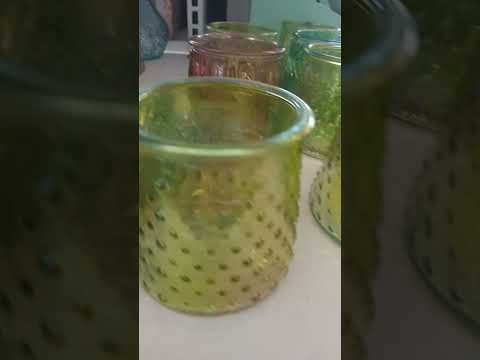
Title: Dollar Tree Has Depression Era Glass retro trending beautiful home decor shorts
Channel: Thrifty Mindset 2.0
Dollar Tree Has Depression Era Glass retro trending beautiful home decor shorts by Thrifty Mindset 2.0
Is Your Depression Hiding? Take This SHOCKING Test Now!
Here is the title: The Ultimate Guide to Sustainable Gardening: Cultivating a Thriving Ecosystem at Home
The Ultimate Guide to Sustainable Gardening: Cultivating a Thriving Ecosystem at Home
For centuries, humanity has nurtured a profound connection with the earth. From the earliest agricultural settlements to today's urban oases, the act of gardening has intertwined itself with our very existence. But, as our understanding of the planet's delicate balance deepens, the need for a mindful and responsible approach becomes paramount. Welcome to the ultimate guide to sustainable gardening, a comprehensive exploration of how to cultivate not just a beautiful garden, but also a thriving ecosystem that flourishes in harmony with nature.
Understanding the Foundations of Sustainable Gardening
Sustainable gardening transcends fleeting trends, advocating for practices that prioritize the long-term health of the soil, water, and the intricate web of life within your garden. It's about minimizing your environmental impact, conserving resources, and fostering biodiversity. This approach transforms gardening from a mere hobby into a powerful act of conservation and a testament to our interconnectedness with the natural world.
Building Healthy Soil: The Cornerstone of a Sustainable Garden
At the heart of every thriving garden lies healthy soil. This complex living ecosystem is the foundation upon which everything else is built. Understanding and nurturing your soil is the first and arguably most crucial step towards sustainable gardening.
Composting: Nature's Recycling System: Composting is the cornerstone of building nutrient-rich soil. It reduces waste, enriches the soil with essential nutrients, and improves its water-holding capacity. Begin by creating a compost pile or bin, strategically layering "greens" (food scraps, grass clippings) and "browns" (leaves, twigs, shredded paper). Turn the compost regularly to ensure proper aeration and decomposition. Many municipalities offer composting workshops and resources to help you get started.
Mulching: Protecting and Nourishing the Soil: Mulch, a protective layer of organic material, performs myriad beneficial functions. It suppresses weeds, conserves moisture, regulates soil temperature, and gradually decomposes, adding valuable nutrients to the soil. Options abound, including straw, wood chips, shredded bark, and even cardboard. The choice depends on your specific needs and aesthetic preferences.
Cover Cropping: Planting for Soil Health: Cover crops, also known as green manures, are plants grown specifically to improve soil health. They prevent erosion, suppress weeds, and add organic matter to the soil when tilled under. Popular choices include clover, rye, and buckwheat. Consider the specific benefits of each cover crop when selecting for your needs.
Avoiding Chemical Fertilizers and Pesticides: Synthetic fertilizers can disrupt the natural balance of the soil ecosystem, while pesticides can harm beneficial insects and pollinators. Embrace organic alternatives like compost tea, worm castings, and natural pest control methods, using integrated pest management (IPM) strategies like monitoring and identifying problems before taking action.
Water Conservation: The Lifeblood of a Sustainable Garden
Water is a precious resource. Sustainable gardening practices prioritize water conservation to minimize water usage and protect this vital element.
Efficient Irrigation Techniques: Drip irrigation and soaker hoses deliver water directly to the roots of plants, minimizing water loss through evaporation. These systems are particularly effective in arid climates or where water conservation is critical. Consider using a timer or a smart irrigation system to optimize watering schedules based on weather conditions and the needs of your plants.
Rainwater Harvesting: Collecting rainwater is an excellent way to supplement your watering needs and reduce your dependence on municipal water sources. Install rain barrels or a larger rainwater harvesting system to capture water from your roof. The collected water can be used for watering plants, washing tools, or even topping off a pond.
Choosing Drought-Tolerant Plants: Selecting plants that are adapted to your local climate and require less water is a crucial aspect of water conservation. Native plants are particularly well-suited to your area and often thrive with minimal supplemental watering once established. Research the specific water needs of each plant before planting and group plants with similar needs together for efficient watering.
Water-Wise Practices: Implement water-wise practices such as watering plants in the morning hours to reduce water loss through evaporation and mulching around plants to retain moisture in the soil.
Embracing Biodiversity: Creating a Thriving Ecosystem
A sustainable garden thrives on diversity. The more diverse the plant and animal life, the more resilient and healthy your garden will be.
Attracting Pollinators: Supporting Vital Ecosystem Services: Bees, butterflies, and other pollinators are essential for plant reproduction. Plant a diverse array of flowers that bloom throughout the growing season to provide a continuous food source for pollinators. Avoid using pesticides, as they can harm these beneficial insects. Consider adding a bee bath or a butterfly garden.
Creating Habitats for Beneficial Insects: Beneficial insects such as ladybugs, lacewings, and predatory wasps help control pest populations. Create habitats for these helpful allies by planting a variety of flowering plants, providing shelter, and avoiding the use of broad-spectrum pesticides. Build a bug hotel to support these insects.
Companion Planting: Working with Nature's Helpers: Companion planting involves strategically placing plants together to enhance their growth and protect them from pests and diseases. For example, planting basil near tomatoes can help repel certain pests, while marigolds can deter nematodes. Research the beneficial relationships between different plants.
Encouraging Birdlife: Birds are natural pest control agents and contribute to seed dispersal. Provide a bird bath, bird feeders, and native trees and shrubs to attract birds to your garden. Choose plants that provide food and shelter for birds throughout the year.
Choosing the Right Plants: The Foundation of Your Garden's Success
Selecting the right plants is paramount to a successful and sustainable garden.
Local and Native Plants: Prioritize plants native to your region. Native plants are adapted to the local climate and soil, so they require less maintenance and water. They also provide essential food and habitat for native wildlife. Research the native plants of your area through local nurseries, botanical gardens, and online resources.
Choosing Varieties that Thrive in Your Microclimate: Your garden may have microclimates that vary based on sun exposure, wind, and soil conditions. Assess the specific conditions in different areas of your garden and select plants accordingly. Consider using a soil test kit to determine the pH and nutrient levels of your soil.
Planning for Succession Planting: Succession planting involves planting crops in stages to ensure a continuous harvest. Plan your garden layout and schedule accordingly. This technique also helps to manage pests and diseases by disrupting their life cycles.
Reducing Waste: A Sustainable Approach to Garden Management
Sustainable gardening incorporates practices that minimize waste and promote resourcefulness.
Composting Kitchen and Garden Waste: As noted earlier, composting is a cornerstone of sustainable gardening. It reduces waste, enriches your soil, and provides a natural source of nutrients. Explore different composting methods, from backyard composting to vermicomposting, to find the best fit for your space and needs.
Repurposing Materials: Embrace creativity by repurposing materials for your garden. Use old tires for raised beds, broken bricks for pathways, and plastic bottles for self-watering planters. The possibilities for repurposing are endless, promoting sustainability and reducing waste.
Reducing Plastic Use: Minimize the use of plastic in your garden. Choose alternatives to plastic pots, such as biodegradable pots or seed starting trays. Avoid buying plants that come in plastic containers or, if they do, re-use the containers for starting your own seedlings.
Beyond the Basics: Advanced Sustainable Gardening Techniques
Once you've mastered the fundamental principles of sustainable gardening, further enhance your garden's ecological benefits:
Permaculture Principles: Permaculture is a system of ecological design that seeks to create sustainable human settlements. Integrate permaculture principles such as observing and interacting, catching and storing energy, and obtaining a yield, into your garden to create a self-sustaining ecosystem.
Organic Pest Control Strategies: Employ organic pest control methods before resorting to pesticides. Handpick pests, use insecticidal soap, or introduce beneficial insects. Understanding pest life cycles makes you a more effective gardener.
Seed Saving and Seed Starting: Seed saving allows you to propagate plants from your own garden, preserving heirloom varieties and reducing your reliance on commercial seed sources. Learn how to collect, store, and start seeds from your favorite plants.
The Rewards of Sustainable Gardening
Sustainable gardening offers a wealth of benefits, extending far beyond the aesthetic beauty of a well-tended garden. It's a journey of discovery, a connection to the earth, and a testament to our commitment to a healthier planet.
Healthier Food and Clean Air: Homegrown produce is often fresher, more nutritious, and free from harmful pesticides. Gardening promotes physical activity, reduces stress, and connects you with nature.
Environmental Benefits: Sustainable gardening practices contribute to cleaner air and water, conserve resources, and protect biodiversity.
Personal Satisfaction and Connection to Nature: There is a profound sense of satisfaction in cultivating your own food and creating a thriving ecosystem. Gardening fosters a deep connection to the natural world and a greater appreciation for the delicate balance of life.
Sustainable gardening is not merely a method; it's a philosophy. It's a commitment to nurturing the earth, respecting its resources, and creating a future where humanity and nature can thrive together. It is a journey of learning, adapting, and, above all, of appreciating the incredible gift of the natural world. So, embrace the principles outlined in this guide, and embark on your own transformative journey to create a sustainable garden, one that flourishes now and for generations to come.
