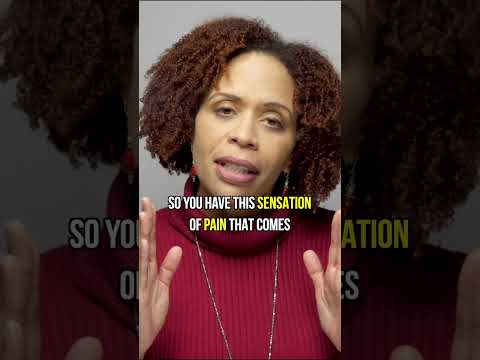
Title: Why chronic pain can cause depression shorts
Channel: Dr. Tracey Marks
Why chronic pain can cause depression shorts by Dr. Tracey Marks
depression causes pain, depression causing pain in joints, depression severe pain, depression causes back pain, depression causes body pain, depression causes leg pain, depression causes stomach pain, depression causes chronic pain, depression causes head pain, depression causes heart pain
Depression's Hidden Agony: The Shocking Pain You Never Knew
Unmasking the Hidden Agony: Depression's Silent Symphony of Pain
Life throws curveballs. It’s inevitable. Sometimes, those curveballs morph into something darker: depression. It's a shadow. Many feel its touch. This article unveils facets of depression’s pain. Prepare to uncover hidden layers.
Beyond the Blues: Recognizing the Unseen Struggles
Depression's impact goes deep. People often see sadness. However, there's more beneath the surface. It's not just feeling “down.” Instead, it's a complex experience. It manifests uniquely for everyone. The pain is often silent. Thus, it becomes even more insidious. First, consider physical aches.
The Body's Betrayal: Physical Manifestations of Inner Turmoil
Depression wages war on the body. Unexpected pains emerge. Headaches become commonplace. Moreover, stomach distress can arise. Back pain might linger. Fatigue relentlessly sets in. It's a tiring existence. In essence, your own body turns against you. You aren't imagining these symptoms. Often, they are very real.
The Mind's Labyrinth: Cognitive Disruptions and Their Impact
The mind, too, suffers. Depression clouds your thinking. Concentration becomes difficult. Decisions become agonizing. Memory fades. It's like navigating a maze. You feel lost within your own thoughts. Furthermore, racing thoughts can plague you. Or, the opposite might occur. Your mind slows down. It's an internal battlefield.
The Phantom Touch: Sensory Distortions and Existential Anguish
Sensory experiences can be warped. Colors might appear less vibrant. Sounds lose their richness. Food might lose its appeal. It's like the world has been muted. You may feel detached. The very essence of your existence is questioned. It becomes profound. These feelings can be utterly terrifying.
Emotional Rollercoaster: Navigating the Swings of Mood
Mood swings are a hallmark. One moment, you feel numb. The next, intense sadness overwhelms you. Anger flares up suddenly. Irritability festers. These emotions can be difficult. You can feel out of control. Moreover, these fluctuations take a toll. Relationships suffer. Life seems chaotic.
The Weight of the World: Social Withdrawal and Isolation
Depression pulls you inward. Social interactions become difficult. You withdraw from friends. You isolate yourself from family. The world feels oppressive. Loneliness sets in. It becomes a self-perpetuating cycle. You might believe you burden others. This feeling compounds the pain.
The Ripple Effect: How Depression Impacts Daily Living
Simple tasks become monumental. Getting out of bed feels impossible. Maintaining personal hygiene is a struggle. Work performance suffers. Relationships become strained. The quality of life deteriorates. The effects are far-reaching. In essence, every facet of life suffers.
Finding the Light: Seeking Help and Embracing Hope
There is a path forward. Depression is treatable. Seeking professional help is crucial. Therapy and medication can bring relief. Remember, you aren't alone. Many resources are available. Support groups offer connection. Reach out to loved ones. Prioritize self-care.
Breaking the Silence: Empowering Action and Promoting Awareness
Talk about your struggles. Share your experiences. Stigmas can be defeated. Educate yourself and others. Be patient with yourself. Recovery takes time. Celebrate small victories. Don't lose hope. You are worthy of happiness.
A Path to Healing: Embracing Recovery and Living Fully
Depression is an adversary. However, it can be conquered. With the right support, healing is possible. Embrace the journey. Let hope guide you. Live a life filled with joy. You deserve it. The journey might be hard. But healing is within reach.
**Period Depression: Shocking Truth Doctors Don't Want You to Know!**Depression's Hidden Agony: The Shocking Pain You Never Knew
Hey there, friends! Let's talk about something that’s often whispered about in hushed tones, a shadow that creeps into our lives: depression. We all know the basics, right? Sadness, fatigue, maybe a loss of interest in things you used to love. But the truth is, depression is so much more than just feeling "down." It's a complex beast, and the pain it inflicts runs much deeper than the surface lets on. We're going to pull back the curtain today and explore the hidden agonies, the shocking parts that often get overlooked, leaving you saying, "Wait, that's depression too?"
1. The Silent Struggle: Why We Don't Always See It Coming
Think of depression like a hidden storm. Sometimes, the clouds gather slowly, weeks or months passing before we realize the downpour is already upon us. Other times, it strikes with the sudden force of a hurricane, leaving us reeling. The problem? It doesn't always announce itself with obvious signs. We might assume it's stress, burnout, or just a "bad week." This silent struggle is the first layer of hidden agony. It's the loneliness of feeling misunderstood or even worse - misunderstood by ourselves.
2. Beyond the Blues: Unseen Symptoms That Scream Depression
So, what are some of those unseen symptoms that hint at a deeper issue? Well, think beyond persistent sadness. Things like:
- Physical Pain: Headaches, stomach aches, muscle tension – these can be constant companions of depression.
- Changes in Sleep Patterns: Insomnia, sleeping too much, or restless sleep. It's like your body is in a constant state of war with itself.
- Appetite Fluctuations: Significant weight loss or gain can be a red flag.
- Difficulty Concentrating: Feeling foggy, struggling to focus, and having trouble remembering things. It can feel like your brain is running underwater.
- Irritability and Anger: This can manifest as a short fuse, snapping at loved ones, or experiencing disproportionate anger.
These aren't just "off days." They're often the body's way of screaming for help.
3. The Emotional Rollercoaster: Navigating the Murky Waters
Imagine your emotions as a wild rollercoaster, consistently jerking you around. One moment, you feel a crushing weight of sadness. The next, a hollow emptiness devoid of feeling. Then maybe a surge of anxiety. This emotional chaos is exhausting. It's like being tossed around in a stormy sea, with no anchor in sight. This instability can be truly debilitating because we struggle to recognize it when we're living through them.
4. Hidden Agony #1: The Shame Game
Let's be real: there’s still a stigma surrounding mental health. This stigma can lead to feelings of shame and embarrassment. We might feel like we should "snap out of it," that we're weak, or that we're somehow personally failing. This shame keeps us from seeking help, perpetuating the cycle of suffering. It's like being trapped in a dark room, too ashamed to open the door.
5. Hidden Agony #2: The Mask We Wear
Many people with depression become incredibly skilled at wearing a mask. They put on a "happy face" for the outside world, pretending everything’s fine, while inside, they're crumbling. This effort to hide the truth is exhausting, both physically and emotionally. It's like being a seasoned stage actor, but your audience is your own loved ones.
6. The Social Price: Isolation and Connection
Depression often creates a sense of isolation. We withdraw from friends, family, and activities we once enjoyed. The feeling of loneliness can intensify the depression, creating a vicious cycle. It's like being stranded on a deserted island, surrounded by an ocean of people yet unreachable. But here's the kicker, it's still lonely even when you're surrounded by people because you feel fundamentally disconnected.
7. The Impact on Everyday Life: When Simple Tasks Become Mountains
Imagine brushing your teeth feeling insurmountable, making a cup of coffee becomes an expedition, or keeping up with your hygiene makes you weary. Depression can turn the simplest tasks into Herculean feats. This can lead to feelings of inadequacy and worthlessness, further fueling the depression itself. It's like being asked to climb Mount Everest, but you have no equipment or training.
8. Cognitive Dissonance: Thought Patterns and Unhelpful Beliefs
Depression hijacks your thought patterns. Negative self-talk, self-doubt, and a pessimistic outlook become the norm. We might believe we are fundamentally flawed, that nothing will ever get better, or that we don't deserve happiness. The thoughts themselves become traps. It's like having a faulty GPS that leads you down a path of despair.
9. Hidden Agony #3: The Physical Toll of Depression
We've touched on some physical symptoms, but let’s dig deeper. Depression can weaken the immune system, making us more susceptible to illness. It can affect hormones, leading to other health complications. Over time, the constant strain of depression takes a significant toll on the body, adding another layer of hidden agony. We're talking about a body and mind at war with each other.
10. The Ripple Effect: Impact on Relationships
Depression doesn't just affect the person experiencing it; it impacts their loved ones too. Frustration, miscommunication, and misunderstandings can strain relationships. Partners, family members, and friends may feel helpless, confused, or resentful. It's like a pebble thrown into a pond, rippling outward and affecting everything around it.
11. The Weight of the World: Existential Questions and Hopelessness
Depression can lead to deep existential questions and a sense of hopelessness. Why am I here? What's the point? This can be incredibly frightening and isolating. It’s like being lost in a vast, empty desert, with no oasis – no hope – in sight.
12. Finding Hope: The Path to Healing
The good news is that there is a path to healing. It's not always easy, and it takes time, but recovery is possible. This starts with recognizing the hidden agonies, and knowing you are not alone.
13. Treatment Options: Building Your Toolkit
The path often involves a combination of therapies, ranging from:
- Therapy: Cognitive Behavioral Therapy (CBT), Dialectical Behavior Therapy (DBT), and psychodynamic therapy are all powerful tools.
- Medications: Antidepressants can be incredibly helpful in managing symptoms. A consultation with a psychiatrist is essential here!
- Lifestyle Changes: Regular exercise, a healthy diet, sufficient sleep, and stress management techniques can make a big difference.
- Support Systems: Connecting with support groups, friends, and family is crucial.
It's like assembling a toolkit for recovery, each tool giving you a fighting chance.
14. Breaking the Silence: Seeking Help and Finding Strength
Seeking help is a sign of strength, not weakness. Talk to your doctor, a therapist, or a trusted friend. You don't have to go through this alone. Remember, the silent storm can only be dealt with when acknowledged.
15. The Light at the End: Embracing the Journey of Recovery
Recovery from depression is a journey, not a destination. There will be ups and downs, but with the right support and tools, you can learn to manage your symptoms, find joy in life again, and build a life that is meaningful and fulfilling. It's like climbing a mountain, the summit is the only destination, and we'll be with you every step of the way.
Closing Thoughts
Depression's hidden agonies are real, and they’re often invisible to the outside world. But by understanding them, by acknowledging them, and by seeking help, we can begin to break free from the chains of this often-misunderstood illness. We must remember to treat ourselves with self-compassion and to never lose hope. If you’re struggling today, reach out. Talk to someone, seek help, and know that you are not alone. We’re all in this together. You deserve to feel better.
FAQs
1. How do I know if I have depression?
If you're experiencing persistent sadness, loss of interest, changes in sleep or appetite, fatigue, difficulty concentrating, and/or feelings of hopelessness for two weeks or more, it's time to seek professional help. A doctor or therapist can provide an accurate diagnosis.
2. What are the different types of depression?
There are several types of depression, including major depressive disorder, persistent depressive disorder (dysthymia), seasonal affective disorder (SAD), and bipolar disorder. Each has unique characteristics and varying treatment approaches.
3. What should I do if someone I know is struggling with depression?
Be supportive. Listen without judgment. Encourage them to seek professional help. Offer practical assistance, such as helping with chores or errands. Most importantly, let them know you care.
4. How can I support myself during a depressive episode?
Prioritize self-care: eat nutritious foods, get enough sleep, and exercise regularly. Engage in activities you enjoy, even if you don't feel like it. Practice relaxation techniques, such as meditation or deep breathing. Seek professional help.
**5. Is depression cur
ADHD & Depression: The Shocking Truth They Don't Want You to KnowDoes Depression Cause Physical Pain

By Healthline Mental Health Does Depression Cause Physical Pain by Healthline Mental Health
Depression and Physical Pains

By Mental Health for Life Depression and Physical Pains by Mental Health for Life
9 Symptoms of Depression shorts

By Dr. Tracey Marks 9 Symptoms of Depression shorts by Dr. Tracey Marks

Title: What My Depression Feels Like
Channel: MedCircle
What My Depression Feels Like by MedCircle
Is Your Depression Untreated? Find Relief NOW! (Doctor Near You)
The Title of the article is: The Definitive Guide to Choosing the Perfect Wedding Photographer
The Moment Captured: Why Your Wedding Photographer Matters
The rustle of silk, the scent of lilies, the murmur of anticipation – these are the fleeting sensations that constitute your wedding day. Years hence, memory may fade, but the photographs – the enduring visual chronicle – will remain, transporting you back to the heart of the celebration. Choosing the perfect wedding photographer is not merely a logistical necessity, it's an investment in a legacy, a safeguard against the erosion of time. It’s about entrusting someone to document the raw emotion, the subtle glances, the joyous laughter that defines the essence of your shared commitment. Therefore, the selection deserves thoughtful consideration.
Understanding Your Vision: Defining Your Photographic Style
Before you even begin researching photographers, introspection is paramount. What style resonates with your aesthetic sensibilities? Consider the existing portfolio and the type of visual narrative you desire to tell. Do you envision a collection of timeless, classic portraits reminiscent of old Hollywood glamour? Perhaps you crave a photojournalistic approach, capturing candid moments and raw emotion as they unfold organically throughout the day. Maybe you are drawn to moody, artistic compositions characterized by dramatic light and shadow, or perhaps the vivid colors and playful energy of a more contemporary style appeal to you.
Delve deeper than the surface. Explore the nuances within each style. Classic photography often emphasizes traditional posing, elegant framing, and meticulous lighting. Photojournalism thrives on authentic moments and unobtrusive observation. Artistic styles might utilize various techniques like double exposures, shallow depth of field, or unconventional angles. Contemporary photographers may blend elements from multiple styles, offering a unique perspective on the day's events.
Browse wedding blogs, Instagram feeds, and online galleries. Create a mood board of images that captivate you. Identify the recurring themes, the color palettes, the overall feeling conveyed by the photographs you admire. This process helps you clarify your aesthetic preferences and provide valuable insights when communicating with potential photographers.
Research and Review: Vetting Potential Wedding Photographers
Once you have a solid grasp of your desired style, the research phase commences. Begin by compiling a list of photographers whose portfolios align with your vision. Seek recommendations from trusted sources – newly married friends, wedding planners, and online review platforms. Look beyond just the first page of search results.
Thoroughly scrutinize each photographer's website and online presence. Examine their portfolio for consistent quality and a cohesive narrative. Can they consistently deliver the type of imagery you are seeking? Look for consistency in lighting, composition, and editing style. Every picture in their portfolio must reflect a high standard.
Scrutinize client testimonials and reviews. What do past clients say about the photographer's professionalism, communication, and ability to capture the essence of their wedding day? Pay attention to recurring themes in the feedback. Were clients impressed with the photographer's ability to manage logistics? Were they comfortable working with them? Did they deliver the final product on time and within budget?
Avoid relying solely on generic reviews. Seek out detailed feedback that addresses specific aspects of the photographer's service. Did the photographer go above and beyond to capture special moments? Did they offer helpful advice and guidance throughout the process? Did they handle any unforeseen challenges with grace and efficiency?
The Consultation: Interviewing Potential Candidates
After narrowing down your list, schedule consultations with your top choices. This is your opportunity to gauge their personality, assess their expertise, and determine if they are a good fit for your needs. Remember, you will be spending a significant portion of your wedding day with the photographer. Building a rapport is critical.
Prepare a list of questions beforehand. Inquire about their experience photographing weddings similar to yours in size, style, and location. Ask about their process, from the initial consultation to the final delivery of the photographs. Understand their approach to lighting, posing, and capturing candid moments. What is their backup plan in case of equipment failure or unforeseen circumstances?
Discuss your specific needs and preferences in detail. Share your mood board, your timeline, and any special requests you have. Explain your ideal shot list and inform them about any family dynamics that may influence the photography. Make sure the photographer understands your priorities.
Listen attentively to their answers and observe their communication style. Do they listen to your concerns and offer thoughtful responses? Are they passionate about their work and enthusiastic about your wedding? Do they present themselves in a professional and organized manner? Trust your instincts. Choose a photographer who makes you feel comfortable and confident.
Contracts and Costs: Navigating the Financials
Once you've selected your photographer, carefully review the contract. Ensure it clearly outlines the services provided, the deliverables, the payment schedule, and any cancellation policies. Don't hesitate to ask questions if anything is unclear.
Specifically, pay close attention to the following:
- Wedding Day Coverage: Specify the exact duration of the photography coverage, including the start and end times, and the number of hours included.
- Deliverables: Define the quantity and format of the photographs you will receive. Will it be a physical album, digital files, or both? Are prints included? If digital, what is the resolution?
- Editing and Retouching: Clarify the extent of the editing and retouching services provided. Is it basic color correction, or are more advanced retouching techniques part of the package?
- Copyright and Usage: Determine the ownership of the photographs and the rights you will have to use them. Are you granted the right to print and share the images freely?
- Payment Schedule and Cancellation Policy: Understand the payment terms and the repercussions of canceling the contract.
Compare the photographer's fees with those of other photographers in your area. Consider the value you are receiving relative to their services. Remember that the lowest price is not always the best value. Quality and experience often come with a higher cost but the long-term benefits are unparalleled.
Preparing for the Day: Communication and Coordination
Before the wedding day arrives, maintain open communication with your photographer. Share your final timeline, any changes to the location, and any last-minute details. Provide them with a shot list, emphasizing the must-have photos and any specific family groupings.
Discuss the logistics of the day. Where will the getting-ready photos take place? Who will be assisting with the photography? How will the photographer manage any potential challenges, such as inclement weather or tight timelines?
Encourage your photographer to visit the ceremony and reception venues beforehand. This allows them to scout potential locations, assess the lighting conditions, and plan their photography strategy. The more familiar they are with the surroundings, the more prepared they will be to capture the perfect shots.
Communicate with your other vendors, such as your wedding planner, the officiant, and the venue staff. Ensure everyone is aware of the photographer's presence and their needs. Coordination is essential to ensure a smooth and successful day.
Beyond the Big Day: Receiving and Reviewing Your Photographs
After the wedding, you'll eagerly anticipate receiving your photographs. The timeframe for delivery can vary, so clarify this with your photographer beforehand. Be patient; quality editing takes time.
Once you receive your photographs, review them carefully. Are they everything you hoped for? Do they tell the story of your day in a compelling and beautiful way? Do they capture the emotions and memories you cherish?
If you have any concerns, address them with your photographer. Most professional photographers are committed to client satisfaction and will be happy to address any issues. If you are delighted with your photographs, share your positive feedback with the photographer and, if you feel inclined, write a detailed review. Your experience will help other future couples.
Ultimately, selecting the perfect wedding photographer is about capturing more than just images; it's about preserving the essence of your love story for generations to come. By investing time and effort in the research, consultation, and preparation phases, you can ensure that this important element of your wedding day is a resounding success, resulting in a collection of timeless photographs that will forever transport you back to the beginning of your happily ever after.
